Buy lanpengeonline.eu ?
We are moving the project
lanpengeonline.eu .
Are you interested in purchasing the domain
lanpengeonline.eu ?
domain@kv-gmbh.de · 0541-91531010
Buy lanpengeonline.eu ?
Are we more Homo sapiens or Homo deus?
As of now, we are more Homo sapiens, as we are still primarily driven by our biological and evolutionary instincts. However, with the rapid advancements in technology and the potential for genetic engineering, some argue that we are on the path to becoming more like Homo deus, or "god-man," as described by Yuval Noah Harari in his book of the same name. This concept suggests that humans may eventually transcend our current limitations and become more god-like in our abilities and capabilities. Ultimately, the answer to this question may depend on the trajectory of future technological and biological developments. **
Is Homo neanderthalensis a subspecies of Homo sapiens?
No, Homo neanderthalensis is not a subspecies of Homo sapiens. Neanderthals and modern humans are separate species that evolved from a common ancestor. Neanderthals lived in Europe and Asia, while Homo sapiens originated in Africa. Although there is evidence of interbreeding between the two species, they are distinct and separate branches of the human evolutionary tree. **

Similar search terms for Homo
Top-Angebote
Products related to Homo:
-
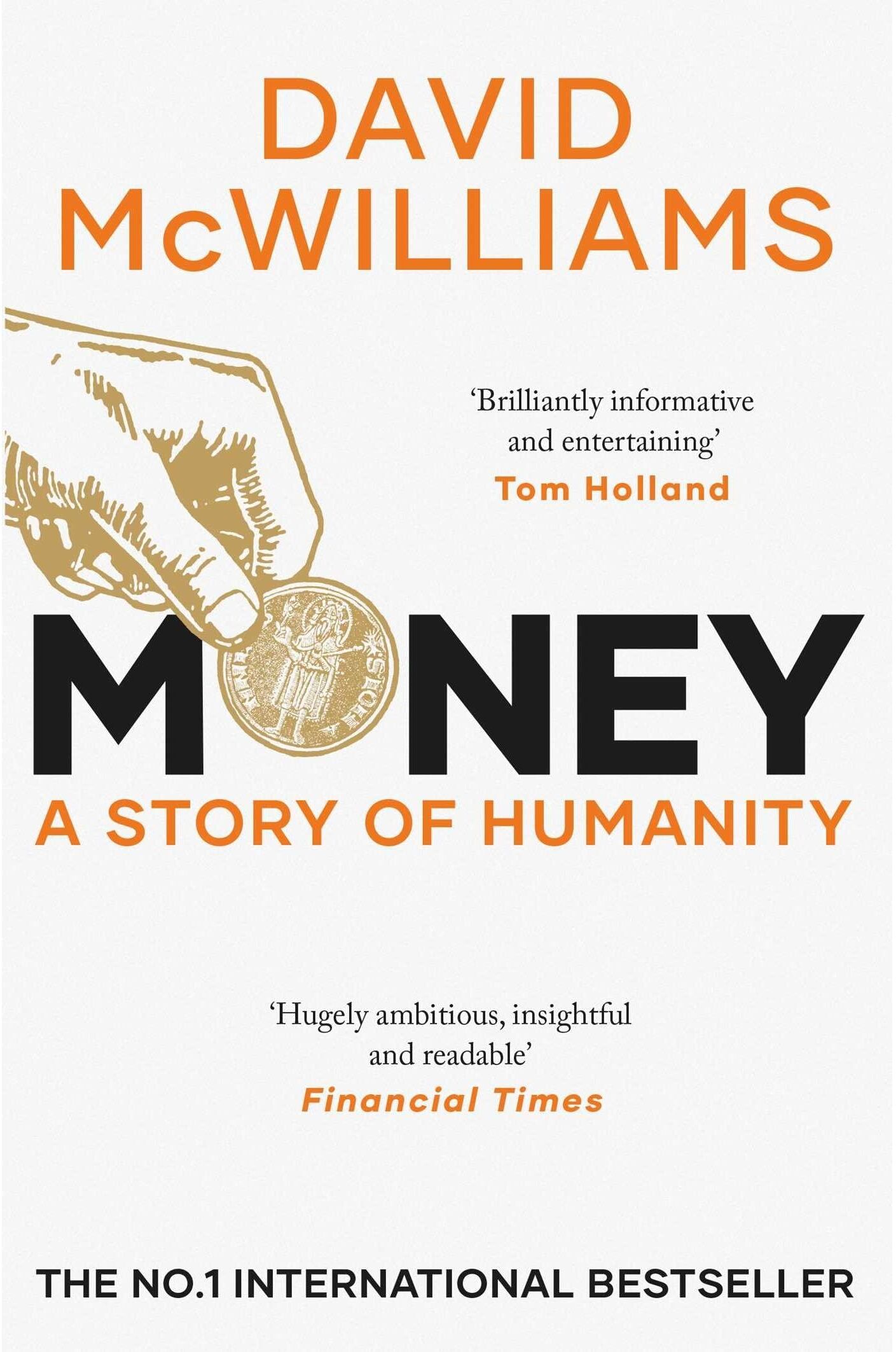
Simon & Schuster Money: A Story of Humanity by David McWilliams Economic History & Global Finance ExplainedIn Money: A Story of Humanity, renowned economist David McWilliams explores the fascinating history of money — not just as currency, but as a powerful force that has shaped human civilisation, relationships, technology, and global society. From ancient barter systems to cryptocurrency revolutions, McWilliams reveals how money reflects our values, ambitions, fears, politics, and culture.Rich with storytelling, sharp insights, and humour, this book makes complex economic ideas accessible, engaging, and deeply human. Perfect for readers who enjoy exploring how history, psychology, markets, and power intersect, Money: A Story of Humanity provides a fresh, eye-opening look at how money drives — and is driven by — human behaviour. Ideal for fans of Yuval Noah Harari, Tim Harford, Niall Ferguson, and Mary Beard.7,99 £*Shipping: 2,99 £Secure redirect to the provider
-
Penguin Becky Albertalli 4 Books Collection Set (Simon vs. the Homo Sapiens Agenda, Love Simon, Leah on the Offbeat, The Upside of Unrequited)Simon vs. the Homo Sapiens Agenda Straight people should have to come out too. And the more awkward it is, the better. Simon Spier is sixteen and trying to work out who he is - and what he's looking for. But when one of his emails to the very distracting Blue falls into the wrong hands, things get all kinds of complicated. Because, for Simon, falling for Blue is a big deal ... It's a holy freaking huge awesome deal. Love Simon Straight people should have to come out too. And the more awkward it is, the better. Simon Spier is sixteen and trying to work out who he is - and what he's looking for. But when one of his emails to the very distracting Blue falls into the wrong hands, things get all kinds of complicated. Because, for Simon, falling for Blue is a big deal ... It's a holy freaking huge awesome deal. Leah on the Offbeat When it comes to drumming, Leah Burke is usually on beat- but real life isn't always so rhythmic. The only child of a single mum, and her life is less privileged than her friends. Her mum knows she's bisexual, but Leah hasn't mustered the courage to tell her friends. Not even her openly gay BFF, Simon. Prom and college are on the horizon, and tensions are running high. Can Leah still strike the right note, when the people she loves are fighting? And how can she cope knowing that she might love one of her friends more than she ever intended? The Upside of Unrequited I don't entirely understand how anyone gets a boyfriend. Or a girlfriend. It just seems like the most impossible odds. A perfect alignment of feelings and circumstances . . . Molly Peskin-Suso knows all about unrequited love. No matter how many times her twin sister, Cassie, tells her to woman up, Molly is always careful. Better to be careful than be hurt. But when Cassie gets a new girlfriend who comes with a cute hipster-boy sidekick, everything changes. Will is funny, flirtatious and basically the perfect first boyfriend. There's only one problem: Molly's coworker, Reid: the awkward Tolkien superfan she could never fall for . . . right?24,99 £*Shipping: 2,99 £Secure redirect to the provider
-
Vintage ltd Yuval Noah Harari Collection 4 Books Set (Homo Deus, Sapiens A Brief History of Humankind, 21 Lessons for the 21st Century and Nexus)Titles: Nexus Homo Deus Sapiens: A Brief History of Humankind 21 Lessons for the 21st Century Yuval Noah Harari Collection 4 Books Set (Homo Deus, Sapiens A Brief History of Humankind, 21 Lessons for the 21st Century & Nexus): Nexus: Stories brought us together.Books spread our ideas – and our mythologies.The internet promised infinite knowledge.The algorithm learned our secrets – and then turned us against each other.What will AI do? Homo Deus: Homo Deus explores the projects, dreams and nightmares that will shape the twenty-first century and beyond - from overcoming death to creating artificial life.It asks the fundamental questions: how can we protect this fragile world from our own destructive power? And what does our future hold? Sapiens: A Brief History of Humankind: What makes us brilliant? What makes us deadly? What makes us Sapiens? One of the world's preeminent historians and thinkers, Yuval Noah Harari challenges everything we know about being human.Earth is 4.5 billion years old. In just a fraction of that time, one species among countless others has conquered it: us. 21 Lessons for the 21st Century: In twenty-one bite-sized lessons, Yuval Noah Harari explores what it means to be human in an age of bewilderment.How can we protect ourselves from nuclear war, ecological cataclysms and technological disruptions? What can we do about the epidemic of fake news or the threat of terrorism? What should we teach our children?32,99 £*Shipping: 2,99 £Secure redirect to the provider
-
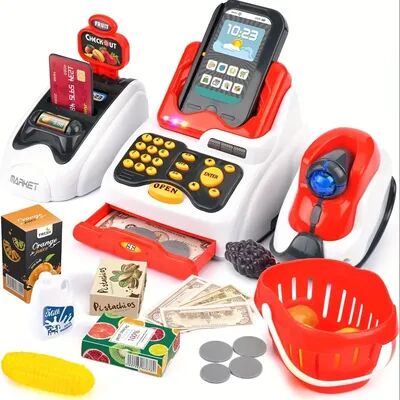
Perfect Picks Market Toy Cash Register For Kids, Checkout Scanner, Play Money Food Set, , Credit Card Machine, Fruit Card Reader Toy Cash Register For Kids, Checkout Scanner, Play Money Food Set, , Credit Card Machine, Fruit Card ReaderEngage Your Child with Playful Learning The 33PCS Toy Cash Register for Kids with Checkout Scanner is a perfect way to help children develop essential skills while having fun! Designed for little ones, this interactive toy includes a realistic...59,97 $*Shipping: 0,00 $Secure redirect to the provider


-
What is the difference between Homo oecologicus and Homo oeconomicus?
Homo oecologicus and Homo oeconomicus are two different conceptual models used to understand human behavior. Homo oecologicus is a theoretical model that views humans as being inherently connected to and dependent on their natural environment. This model emphasizes the importance of sustainability and the need to consider the ecological impact of human actions. On the other hand, Homo oeconomicus is a model that views humans as rational, self-interested actors who make decisions based on maximizing their own utility or economic gain. This model is often used in economics and assumes that individuals make decisions based on cost-benefit analysis and the pursuit of their own self-interest. In summary, the main difference between the two models is their focus - Homo oecologicus emphasizes the ecological impact of human behavior, while Homo oeconomicus focuses on the economic rationality of human decision-making. **
-
What is the difference between Homo oeconomicus and Homo sapiens?
Homo oeconomicus is a theoretical concept in economics that describes humans as rational, self-interested decision-makers who always act in a way that maximizes their own utility. This model assumes that individuals have perfect information, make decisions based on cost-benefit analysis, and have consistent preferences over time. On the other hand, Homo sapiens refers to actual human beings, who are influenced by emotions, social norms, and cognitive biases in their decision-making. Unlike Homo oeconomicus, Homo sapiens are not always rational and may not always act in their own self-interest. This difference highlights the limitations of the Homo oeconomicus model in capturing the complexity of human behavior. **
-
What is the difference between Homo erectus and Homo ergaster?
Homo erectus and Homo ergaster are both extinct species of early humans, but they have some key differences. Homo ergaster is believed to be an ancestor of Homo erectus and is considered to be slightly older, dating back around 1.9 million years ago. Homo ergaster is thought to have a more slender build and longer legs compared to Homo erectus. Additionally, Homo ergaster is believed to have originated in Africa, while Homo erectus is known to have migrated to other parts of the world. **
-
What is the difference between Homo erectus and Homo habilis?
Homo erectus and Homo habilis are both early human species, but there are several key differences between them. Homo habilis, which lived around 2.4 to 1.4 million years ago, was smaller in stature and had a smaller brain size compared to Homo erectus. Homo habilis is also believed to have been more adept at using tools, which is reflected in its name, meaning "handy man." On the other hand, Homo erectus, which lived around 1.9 million to 143,000 years ago, had a larger brain size and was the first human species to migrate out of Africa. Additionally, Homo erectus is believed to have had a more advanced ability to control fire and may have been the first human species to use language. **
What is the difference between Homo sapiens and Homo sapiens sapiens?
Homo sapiens refers to modern humans, while Homo sapiens sapiens specifically refers to anatomically modern humans. The term Homo sapiens sapiens is used to distinguish modern humans from earlier subspecies of Homo sapiens. The addition of "sapiens" in Homo sapiens sapiens emphasizes the advanced cognitive abilities and anatomical features that characterize modern humans. **
What are examples of the Homo oeconomicus and the Homo sociologicus?
The Homo oeconomicus is a theoretical concept in economics that describes a rational, self-interested individual who makes decisions based on maximizing their own utility or economic well-being. An example of Homo oeconomicus might be a person who always seeks to maximize their financial gains, makes decisions based on cost-benefit analysis, and acts in their own self-interest without considering the impact on others. On the other hand, the Homo sociologicus is a theoretical concept in sociology that describes an individual who is influenced by social norms, values, and the expectations of their community. An example of Homo sociologicus might be a person who makes decisions based on the expectations and norms of their social group, prioritizes the well-being of the community over individual gain, and is influenced by social pressures and cultural values in their decision-making. **
Top-Angebote
Products related to Homo:
-
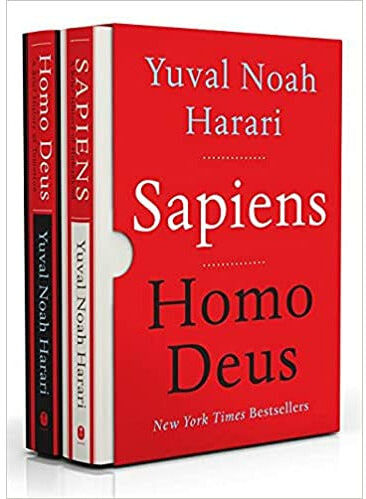
books4people BOX MISSING - Sapiens/Homo Deus Box SetDiscover humanity's past and its future in this in this special box set featuring the bestselling Sapiens--a reading pick of President Barack Obama, Bill Gates, and Mark Zuckerberg--and its acclaimed companion Homo Deus.32,99 £*Shipping: 2,99 £Secure redirect to the provider
-
Vintage Yuval Noah Harari 3 Books Collection Set – Sapiens, Homo Deus & 21 Lessons for the 21st Century Bestselling History, Future & Society BooksExplore humanity’s past, present, and future with the Yuval Noah Harari 3 Books Collection Set, featuring the international bestsellers Sapiens, Homo Deus, and 21 Lessons for the 21st Century. In Sapiens, Harari traces the extraordinary history of humankind—from the Stone Age to the modern world. Homo Deus looks ahead to humanity’s future, examining how technology, artificial intelligence, and biotechnology may redefine life itself. 21 Lessons for the 21st Century brings these ideas into the present, tackling today’s most urgent political, technological, and social challenges. Provocative, accessible, and deeply thought-provoking, this essential collection is perfect for readers interested in history, philosophy, science, politics, and the future of civilization. Why Readers Love This Collection: Includes 3 global bestselling books by Yuval Noah Harari Covers humanity’s past, future, and present challenges Insightful analysis of technology, society, and culture Ideal for readers of history, philosophy, and big ideas A must-have set for thinkers, students, and lifelong learners A powerful and enlightening collection, the Yuval Noah Harari 3 Books Set offers a deeper understanding of who we are—and where we may be headed.19,95 £*Shipping: 2,99 £Secure redirect to the provider
-
Simon & Schuster Money: A Story of Humanity by David McWilliams Economic History & Global Finance ExplainedIn Money: A Story of Humanity, renowned economist David McWilliams explores the fascinating history of money — not just as currency, but as a powerful force that has shaped human civilisation, relationships, technology, and global society. From ancient barter systems to cryptocurrency revolutions, McWilliams reveals how money reflects our values, ambitions, fears, politics, and culture.Rich with storytelling, sharp insights, and humour, this book makes complex economic ideas accessible, engaging, and deeply human. Perfect for readers who enjoy exploring how history, psychology, markets, and power intersect, Money: A Story of Humanity provides a fresh, eye-opening look at how money drives — and is driven by — human behaviour. Ideal for fans of Yuval Noah Harari, Tim Harford, Niall Ferguson, and Mary Beard.7,99 £*Shipping: 2,99 £Secure redirect to the provider
-
Penguin Becky Albertalli 4 Books Collection Set (Simon vs. the Homo Sapiens Agenda, Love Simon, Leah on the Offbeat, The Upside of Unrequited)Simon vs. the Homo Sapiens Agenda Straight people should have to come out too. And the more awkward it is, the better. Simon Spier is sixteen and trying to work out who he is - and what he's looking for. But when one of his emails to the very distracting Blue falls into the wrong hands, things get all kinds of complicated. Because, for Simon, falling for Blue is a big deal ... It's a holy freaking huge awesome deal. Love Simon Straight people should have to come out too. And the more awkward it is, the better. Simon Spier is sixteen and trying to work out who he is - and what he's looking for. But when one of his emails to the very distracting Blue falls into the wrong hands, things get all kinds of complicated. Because, for Simon, falling for Blue is a big deal ... It's a holy freaking huge awesome deal. Leah on the Offbeat When it comes to drumming, Leah Burke is usually on beat- but real life isn't always so rhythmic. The only child of a single mum, and her life is less privileged than her friends. Her mum knows she's bisexual, but Leah hasn't mustered the courage to tell her friends. Not even her openly gay BFF, Simon. Prom and college are on the horizon, and tensions are running high. Can Leah still strike the right note, when the people she loves are fighting? And how can she cope knowing that she might love one of her friends more than she ever intended? The Upside of Unrequited I don't entirely understand how anyone gets a boyfriend. Or a girlfriend. It just seems like the most impossible odds. A perfect alignment of feelings and circumstances . . . Molly Peskin-Suso knows all about unrequited love. No matter how many times her twin sister, Cassie, tells her to woman up, Molly is always careful. Better to be careful than be hurt. But when Cassie gets a new girlfriend who comes with a cute hipster-boy sidekick, everything changes. Will is funny, flirtatious and basically the perfect first boyfriend. There's only one problem: Molly's coworker, Reid: the awkward Tolkien superfan she could never fall for . . . right?24,99 £*Shipping: 2,99 £Secure redirect to the provider
-
Are we more Homo sapiens or Homo deus?
As of now, we are more Homo sapiens, as we are still primarily driven by our biological and evolutionary instincts. However, with the rapid advancements in technology and the potential for genetic engineering, some argue that we are on the path to becoming more like Homo deus, or "god-man," as described by Yuval Noah Harari in his book of the same name. This concept suggests that humans may eventually transcend our current limitations and become more god-like in our abilities and capabilities. Ultimately, the answer to this question may depend on the trajectory of future technological and biological developments. **
-
Is Homo neanderthalensis a subspecies of Homo sapiens?
No, Homo neanderthalensis is not a subspecies of Homo sapiens. Neanderthals and modern humans are separate species that evolved from a common ancestor. Neanderthals lived in Europe and Asia, while Homo sapiens originated in Africa. Although there is evidence of interbreeding between the two species, they are distinct and separate branches of the human evolutionary tree. **
-
What is the difference between Homo oecologicus and Homo oeconomicus?
Homo oecologicus and Homo oeconomicus are two different conceptual models used to understand human behavior. Homo oecologicus is a theoretical model that views humans as being inherently connected to and dependent on their natural environment. This model emphasizes the importance of sustainability and the need to consider the ecological impact of human actions. On the other hand, Homo oeconomicus is a model that views humans as rational, self-interested actors who make decisions based on maximizing their own utility or economic gain. This model is often used in economics and assumes that individuals make decisions based on cost-benefit analysis and the pursuit of their own self-interest. In summary, the main difference between the two models is their focus - Homo oecologicus emphasizes the ecological impact of human behavior, while Homo oeconomicus focuses on the economic rationality of human decision-making. **
-
What is the difference between Homo oeconomicus and Homo sapiens?
Homo oeconomicus is a theoretical concept in economics that describes humans as rational, self-interested decision-makers who always act in a way that maximizes their own utility. This model assumes that individuals have perfect information, make decisions based on cost-benefit analysis, and have consistent preferences over time. On the other hand, Homo sapiens refers to actual human beings, who are influenced by emotions, social norms, and cognitive biases in their decision-making. Unlike Homo oeconomicus, Homo sapiens are not always rational and may not always act in their own self-interest. This difference highlights the limitations of the Homo oeconomicus model in capturing the complexity of human behavior. **
Similar search terms for Homo
-
Vintage ltd Yuval Noah Harari Collection 4 Books Set (Homo Deus, Sapiens A Brief History of Humankind, 21 Lessons for the 21st Century and Nexus)Titles: Nexus Homo Deus Sapiens: A Brief History of Humankind 21 Lessons for the 21st Century Yuval Noah Harari Collection 4 Books Set (Homo Deus, Sapiens A Brief History of Humankind, 21 Lessons for the 21st Century & Nexus): Nexus: Stories brought us together.Books spread our ideas – and our mythologies.The internet promised infinite knowledge.The algorithm learned our secrets – and then turned us against each other.What will AI do? Homo Deus: Homo Deus explores the projects, dreams and nightmares that will shape the twenty-first century and beyond - from overcoming death to creating artificial life.It asks the fundamental questions: how can we protect this fragile world from our own destructive power? And what does our future hold? Sapiens: A Brief History of Humankind: What makes us brilliant? What makes us deadly? What makes us Sapiens? One of the world's preeminent historians and thinkers, Yuval Noah Harari challenges everything we know about being human.Earth is 4.5 billion years old. In just a fraction of that time, one species among countless others has conquered it: us. 21 Lessons for the 21st Century: In twenty-one bite-sized lessons, Yuval Noah Harari explores what it means to be human in an age of bewilderment.How can we protect ourselves from nuclear war, ecological cataclysms and technological disruptions? What can we do about the epidemic of fake news or the threat of terrorism? What should we teach our children?32,99 £*Shipping: 2,99 £Secure redirect to the provider
-
Perfect Picks Market Toy Cash Register For Kids, Checkout Scanner, Play Money Food Set, , Credit Card Machine, Fruit Card Reader Toy Cash Register For Kids, Checkout Scanner, Play Money Food Set, , Credit Card Machine, Fruit Card ReaderEngage Your Child with Playful Learning The 33PCS Toy Cash Register for Kids with Checkout Scanner is a perfect way to help children develop essential skills while having fun! Designed for little ones, this interactive toy includes a realistic...59,97 $*Shipping: 0,00 $Secure redirect to the provider
-
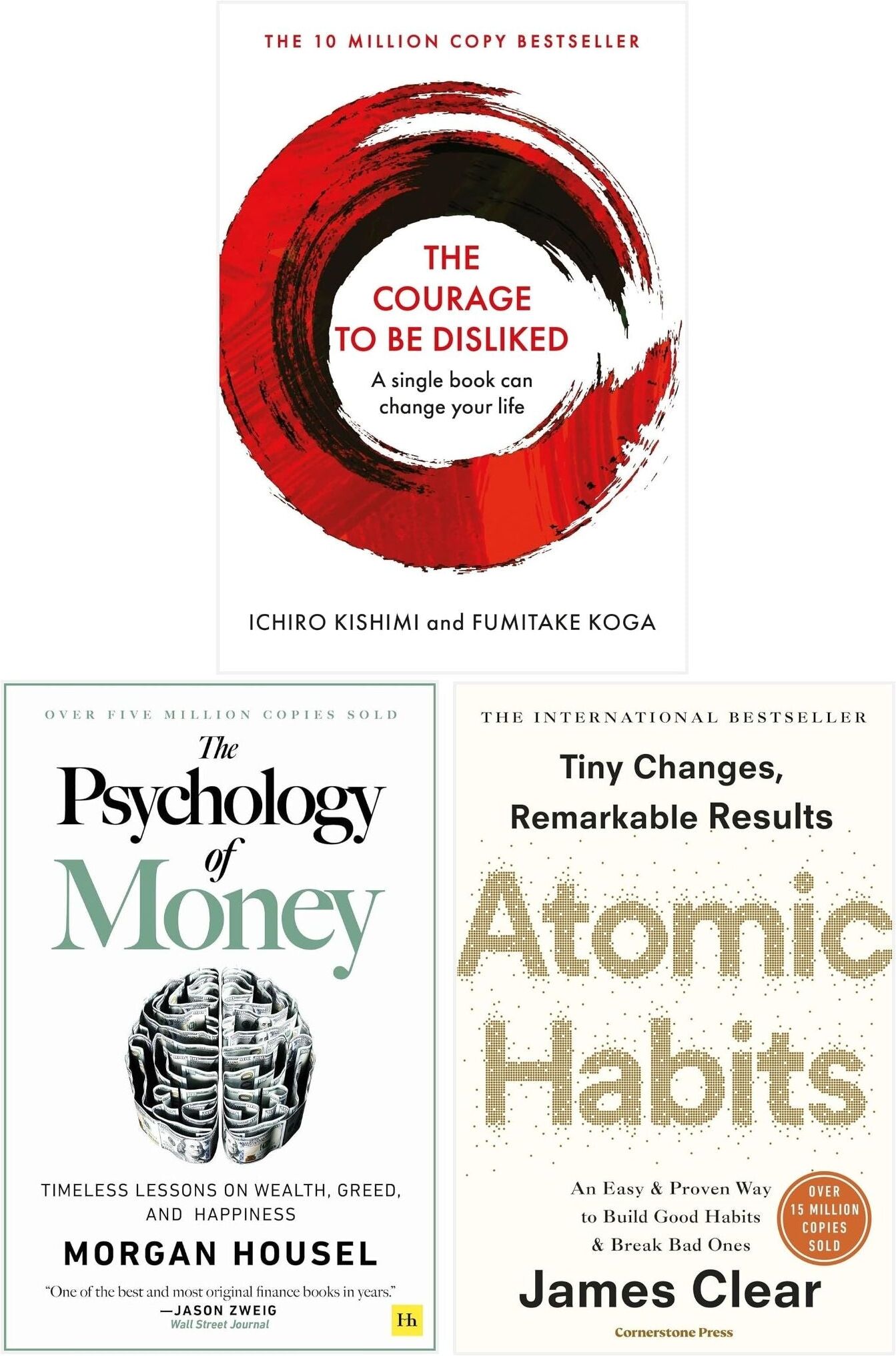
Harriman House The Psychology of Money, Atomic Habits & The Courage to Be Disliked – 3 Book Collection Set Bestselling Self-Development, Personal Finance, Self-HelUpgrade your mindset, habits, and financial thinking with this powerful 3-book collection set, featuring three of the most influential modern self-development titles. This essential bundle includes: The Psychology of Money by Morgan Housel – Discover how emotions and behaviour shape financial decisions and long-term wealth. Atomic Habits by James Clear – Learn how small habits can create powerful, lasting change. The Courage to Be Disliked by Ichiro Kishimi & Fumitake Koga** – Explore a transformative approach to happiness, freedom, and self-acceptance based on Adlerian psychology. Together, these books offer a complete guide to financial wisdom, personal growth, emotional resilience, and habit-building, making this set ideal for anyone looking to improve their life and mindset. Why Readers Love This Collection: Includes 3 bestselling modern self-development books Covers money, habits, mindset, and personal freedom Practical, easy-to-apply life lessons Perfect for beginners and experienced readers alike Ideal gift for motivation and self-improvement A must-have for anyone on a journey of personal growth, this collection delivers powerful insights for building a better, more successful life.22,99 £*Shipping: 2,99 £Secure redirect to the provider
-
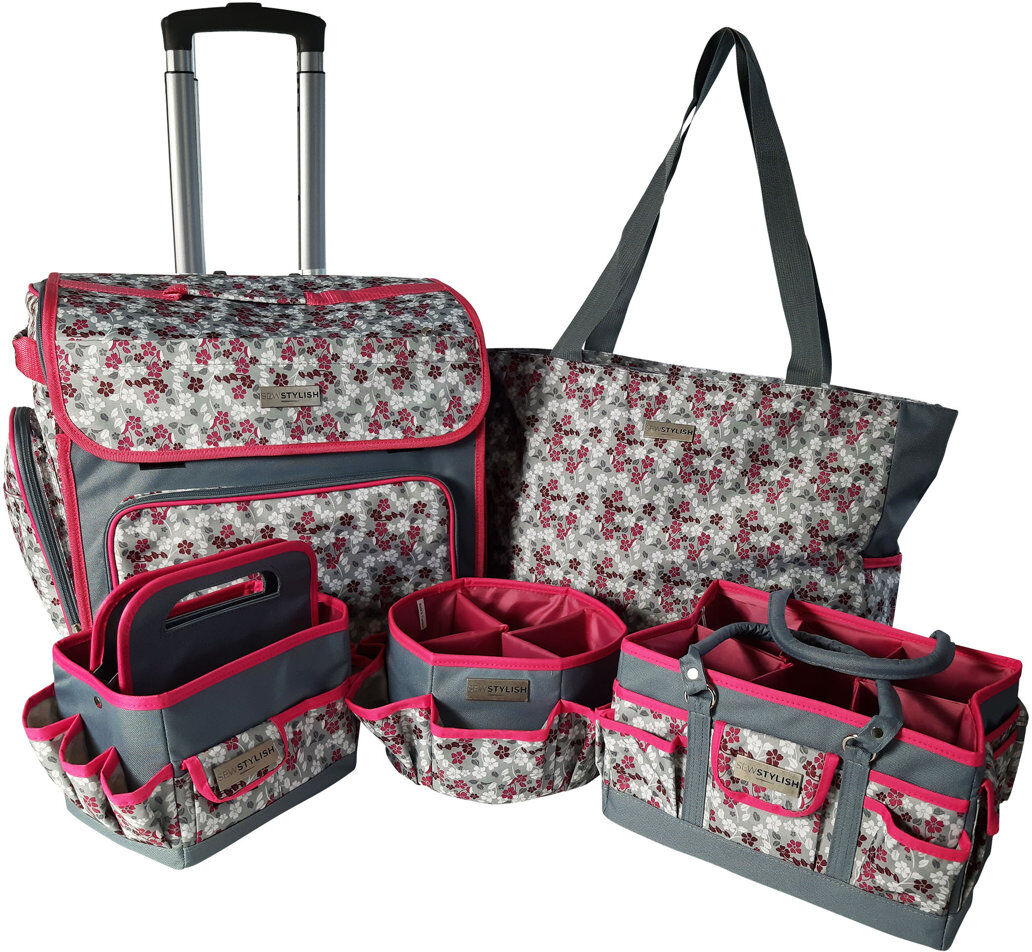
Sewing Online Fabric Storage Bag Pink 59L5-piece Craft and Sewing Storage Bundle, Hot Pink Floral – Includes Sewing Machine Trolley Bag, Collapsible Caddy, Desktop Tote, Hexagonal storage Box and Craft Shoulder bag suitable for sewing, art supplies, paper craft and knitting. Transport and Store your Sewing Machine and craft essentials in this 5 Piece co-ordinated Storage Set. Protect and transport your sewing machine to and from sewing classes in this Hot Pink Floral trolley bag. This also comes with a matching collapsible caddy, Desktop Tote, Hexagonal Storage Box and Shoulder Bag, plenty of room to keep all your sewing accessories organised. Whether you're sewing, paper crafting, knitting or just want a set of storage bags and totes this is the perfect solution! This bundle contains an impressive amount of storage space for any crafter at home or on the go. Trolley Bag: * Dimensions: L 40cm (15.7ins) x W 25cm (9.8ins) x 38 cm (14.96ins) * The zip down front panel allows for easy access to your machine. * Stabilizing strap keeps your machine secure. * Includes lockable handle * Innovative collapsible design makes for easy storage when not being used. Collapsible Caddy: * Dimensions: L 30.48cm (12″) x W 20 cm (7.87″) x H 18 cm ( 7.08″) * With two reinforced strong handles, you can bring this tote anywhere, and can be easily stored when collapsed and not in use. * features 13 different storage spaces for supplies. Desktop Tote: * Dimensions: L 23.5cm (9.25ins) x W 15.24cm (6ins) x H 24cm (9.4ins) * Features convenient and sturdy carry handle. * 3 Internal Storage Pockets and 9 side pockets. Hexagonal Storage Box: * Dimensions: L 24cm (9.4ins) x W 24cm (9.4ins) x H 14cm (5.5ins) * Features 4 Internal collapsible storage compartments and 6 side pockets. Shoulder Bag: * Dimensions: L 47cm (18.5ins) x W 14.5cm (5.7ins) x H 27.5cm (10.8ins)-(Not including strap) * Total Strap length 78cms * Zip Top Closure * 1 main Internal compartment and 2 side pockets. Sewing Online94,56 £*Shipping: 0,00 £Secure redirect to the provider
-
What is the difference between Homo erectus and Homo ergaster?
Homo erectus and Homo ergaster are both extinct species of early humans, but they have some key differences. Homo ergaster is believed to be an ancestor of Homo erectus and is considered to be slightly older, dating back around 1.9 million years ago. Homo ergaster is thought to have a more slender build and longer legs compared to Homo erectus. Additionally, Homo ergaster is believed to have originated in Africa, while Homo erectus is known to have migrated to other parts of the world. **
-
What is the difference between Homo erectus and Homo habilis?
Homo erectus and Homo habilis are both early human species, but there are several key differences between them. Homo habilis, which lived around 2.4 to 1.4 million years ago, was smaller in stature and had a smaller brain size compared to Homo erectus. Homo habilis is also believed to have been more adept at using tools, which is reflected in its name, meaning "handy man." On the other hand, Homo erectus, which lived around 1.9 million to 143,000 years ago, had a larger brain size and was the first human species to migrate out of Africa. Additionally, Homo erectus is believed to have had a more advanced ability to control fire and may have been the first human species to use language. **
-
What is the difference between Homo sapiens and Homo sapiens sapiens?
Homo sapiens refers to modern humans, while Homo sapiens sapiens specifically refers to anatomically modern humans. The term Homo sapiens sapiens is used to distinguish modern humans from earlier subspecies of Homo sapiens. The addition of "sapiens" in Homo sapiens sapiens emphasizes the advanced cognitive abilities and anatomical features that characterize modern humans. **
-
What are examples of the Homo oeconomicus and the Homo sociologicus?
The Homo oeconomicus is a theoretical concept in economics that describes a rational, self-interested individual who makes decisions based on maximizing their own utility or economic well-being. An example of Homo oeconomicus might be a person who always seeks to maximize their financial gains, makes decisions based on cost-benefit analysis, and acts in their own self-interest without considering the impact on others. On the other hand, the Homo sociologicus is a theoretical concept in sociology that describes an individual who is influenced by social norms, values, and the expectations of their community. An example of Homo sociologicus might be a person who makes decisions based on the expectations and norms of their social group, prioritizes the well-being of the community over individual gain, and is influenced by social pressures and cultural values in their decision-making. **
* All prices are inclusive of VAT and, if applicable, plus shipping costs. The offer information is based on the details provided by the respective shop and is updated through automated processes. Real-time updates do not occur, so deviations can occur in individual cases. ** Note: Parts of this content were created by AI.