Buy lanpengeonline.eu ?
We are moving the project
lanpengeonline.eu .
Are you interested in purchasing the domain
lanpengeonline.eu ?
domain@kv-gmbh.de · 0541-91531010
Buy lanpengeonline.eu ?
Do angelfish eat snails?
Yes, angelfish are known to eat snails. They have a varied diet that includes small invertebrates like snails, insects, and crustaceans. Angelfish are opportunistic feeders and will consume snails if they come across them in their natural habitat. In a home aquarium, angelfish may also eat snails that are present as part of the tank's ecosystem. **
Is aggressive angelfish dangerous?
Aggressive angelfish can be dangerous to other fish in the aquarium, as they may bully or attack smaller or more passive fish. They can also be territorial and may become aggressive towards other angelfish or similar species. It is important to carefully consider the tank mates when keeping aggressive angelfish and provide plenty of hiding spots and space to reduce aggression. Additionally, monitoring their behavior and providing a well-balanced diet can help manage their aggression. **

Similar search terms for Angelfish
Top-Angebote
Products related to Angelfish:
-
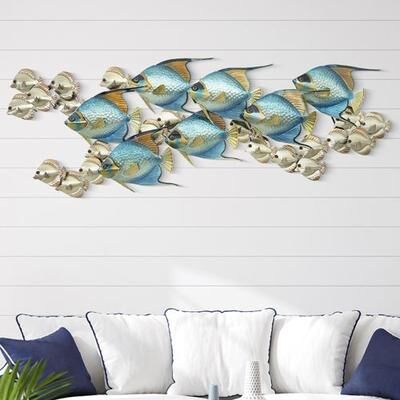
T.i./New Metal Design Horizontal Angelfish School with Tangs Wall Sculpture Blue , BlueSwimming through the seas, the Horizontal Angelfish School with Tangs will survey your coastal indoor space, covered porch, or enclosed patio. Designed by artist Joanne Ferrara, the handcrafted metal wall sculpture features realistic blue angelfish...479,00 $*Shipping: 0,00 $Secure redirect to the provider
-
T.i./New Metal Design Vertical Angelfish School with Tangs Wall Sculpture Blue , BlueSwimming through the seas, the Vertical Angelfish School with Tangs will survey your coastal indoor space, covered porch, or enclosed patio. Designed by artist Joanne Ferrara, the handcrafted metal wall sculpture features realistic blue angelfish...439,00 $*Shipping: 0,00 $Secure redirect to the provider
-
T.i./New Metal Design Queen Angelfish School II Wall Art Sculpture Blue , BlueFull of brilliant hues, bright scales, and underwater wonder, the Queen Angelfish School II Wall Art will feel right at home swimming among your coastal abode. Designed by artist Joanne Ferrara, the handcrafted metal wall sculpture features five...199,99 $*Shipping: 0,00 $Secure redirect to the provider
-
T.i./New Metal Design Queen Angelfish School Wall Sculpture Multi Cool , Multi CoolSwimming through the seas to see the sights, this Queen Angelfish School has decided to survey your indoor space, covered porch, or enclosed patio. Handcrafted from stainless steel, this wall sculpture features five dimensional layered fish with...269,00 $*Shipping: 37,66 $Secure redirect to the provider


-
Why do angelfish fight?
Angelfish are known to be territorial and aggressive, especially when it comes to defending their territory or establishing dominance within a group. They may fight over food, mating rights, or simply to establish their place in the social hierarchy. Additionally, angelfish may also fight when they feel threatened or stressed, such as when they are introduced to a new environment or when there is a lack of hiding spots in their tank. Overall, angelfish fight as a way to establish and maintain their social structure and territory. **
-
How do angelfish reproduce?
Angelfish reproduce by engaging in a courtship ritual where the male and female swim together, displaying their fins and colors to each other. Once a pair has formed, they will find a suitable location to lay their eggs, typically on a flat surface like a leaf or rock. The female will then lay the eggs, and the male will fertilize them externally by releasing his sperm over the eggs. The parents will then guard and care for the eggs until they hatch, usually within a few days. **
-
How does the angelfish die?
The angelfish dies when it is unable to adapt to changes in its environment, such as fluctuations in water temperature, poor water quality, or lack of proper nutrition. Additionally, angelfish can also die from diseases, parasites, or injuries. It is important for angelfish owners to provide a stable and clean environment for their fish, as well as proper nutrition and regular monitoring of their health to prevent premature death. **
-
What to do when angelfish are chasing another, smaller angelfish and it just lies around?
When angelfish are chasing another, smaller angelfish and it just lies around, it may be a sign of stress or aggression. It's important to separate the aggressor angelfish from the smaller one to prevent any harm. You can do this by using a tank divider or by moving the aggressor to a different tank temporarily. Additionally, ensure that the tank has plenty of hiding spots and visual barriers to reduce stress for the smaller angelfish. Observing the behavior of the fish and addressing any aggression or stress is crucial for maintaining a healthy and harmonious aquarium environment. **


Are my angelfish attacking each other?
Angelfish are known to be territorial and can exhibit aggressive behavior towards each other, especially when they feel their territory is being invaded or when they are competing for food or mates. Signs of aggression in angelfish include chasing, nipping, and fin damage. If you notice these behaviors in your angelfish, it is possible that they are attacking each other. It is important to monitor their behavior closely and provide plenty of hiding spots and space to reduce aggression in the tank. **
Can you keep angelfish in pairs?
Angelfish are known to be territorial and can be aggressive towards each other, especially when kept in pairs. It is generally recommended to keep angelfish in groups of at least five to help disperse aggression and establish a hierarchy within the group. Keeping angelfish in pairs may lead to one fish dominating the other, causing stress and potential harm to the subordinate fish. **
Top-Angebote
Products related to Angelfish:
-
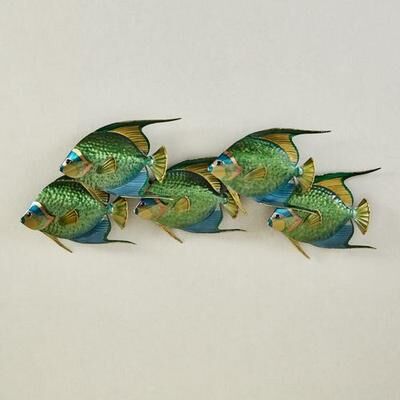
Touch of Class Angelfish Wave Wall Sculpture Green , GreenThis snaking school of tropical, undersea denizens speeds through the ocean in an Angelfish Wave. Crafted from metal, this colorful wall sculpture depicts a band of angelfish riding together along an ocean current. Tropical fish wall sculpture is 46...99,00 $*Shipping: 18,95 $Secure redirect to the provider
-
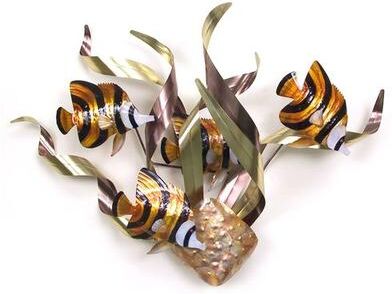
T.i./New Metal Design Banded Angelfish Wall Art Multi Metallic , Multi MetallicBanded Angelfish swim among tropical grasses. Handcrafted of metal and stainless steel, this slightly textured wall art, by Joanne Ferrara, features sea life in hand-finished, flamed, and dyed shades of rich gold, copper, green, and bronze. May be...139,99 $*Shipping: 0,00 $Secure redirect to the provider
-
T.i./New Metal Design Horizontal Angelfish School with Tangs Wall Sculpture Blue , BlueSwimming through the seas, the Horizontal Angelfish School with Tangs will survey your coastal indoor space, covered porch, or enclosed patio. Designed by artist Joanne Ferrara, the handcrafted metal wall sculpture features realistic blue angelfish...479,00 $*Shipping: 0,00 $Secure redirect to the provider
-
T.i./New Metal Design Vertical Angelfish School with Tangs Wall Sculpture Blue , BlueSwimming through the seas, the Vertical Angelfish School with Tangs will survey your coastal indoor space, covered porch, or enclosed patio. Designed by artist Joanne Ferrara, the handcrafted metal wall sculpture features realistic blue angelfish...439,00 $*Shipping: 0,00 $Secure redirect to the provider
-
Do angelfish eat snails?
Yes, angelfish are known to eat snails. They have a varied diet that includes small invertebrates like snails, insects, and crustaceans. Angelfish are opportunistic feeders and will consume snails if they come across them in their natural habitat. In a home aquarium, angelfish may also eat snails that are present as part of the tank's ecosystem. **
-
Is aggressive angelfish dangerous?
Aggressive angelfish can be dangerous to other fish in the aquarium, as they may bully or attack smaller or more passive fish. They can also be territorial and may become aggressive towards other angelfish or similar species. It is important to carefully consider the tank mates when keeping aggressive angelfish and provide plenty of hiding spots and space to reduce aggression. Additionally, monitoring their behavior and providing a well-balanced diet can help manage their aggression. **
-
Why do angelfish fight?
Angelfish are known to be territorial and aggressive, especially when it comes to defending their territory or establishing dominance within a group. They may fight over food, mating rights, or simply to establish their place in the social hierarchy. Additionally, angelfish may also fight when they feel threatened or stressed, such as when they are introduced to a new environment or when there is a lack of hiding spots in their tank. Overall, angelfish fight as a way to establish and maintain their social structure and territory. **
-
How do angelfish reproduce?
Angelfish reproduce by engaging in a courtship ritual where the male and female swim together, displaying their fins and colors to each other. Once a pair has formed, they will find a suitable location to lay their eggs, typically on a flat surface like a leaf or rock. The female will then lay the eggs, and the male will fertilize them externally by releasing his sperm over the eggs. The parents will then guard and care for the eggs until they hatch, usually within a few days. **
Similar search terms for Angelfish
-
T.i./New Metal Design Queen Angelfish School II Wall Art Sculpture Blue , BlueFull of brilliant hues, bright scales, and underwater wonder, the Queen Angelfish School II Wall Art will feel right at home swimming among your coastal abode. Designed by artist Joanne Ferrara, the handcrafted metal wall sculpture features five...199,99 $*Shipping: 0,00 $Secure redirect to the provider
-
T.i./New Metal Design Queen Angelfish School Wall Sculpture Multi Cool , Multi CoolSwimming through the seas to see the sights, this Queen Angelfish School has decided to survey your indoor space, covered porch, or enclosed patio. Handcrafted from stainless steel, this wall sculpture features five dimensional layered fish with...269,00 $*Shipping: 37,66 $Secure redirect to the provider
-
Highland Dunes Handcarved Mango Wood Double Teardrop Angelfish Ornament Natural 54cm H X 50cm W X 12cm DAdd a touch of coastal charm to your home with this elegant mango wood Double Teardrop Angelfish ornament. Handcrafted in India, this striking decorative piece features a contemporary layered silhouette that beautifully highlights the natural texture and grain of the wood. Available in both a bold black finish and a warm natural finish, it offers versatile styling to complement a variety of interiors, from modern minimalist to relaxed coastal spaces. Mounted on a coordinating slanted wooden base for added visual interest and stability, it creates a refined focal point on shelves, sideboards, mantels, or console tables. Whether displayed on its own or styled within a decorative arrangement, this ornament brings subtle character, warmth, and artistic appeal to any room. Highland Dunes Colour: Natural81,99 £*Shipping: 0,00 £Secure redirect to the provider
-
Highland Dunes Handcarved Mango Wood Double Teardrop Angelfish Ornament Black 54cm H X 50cm W X 12cm DAdd a touch of coastal charm to your home with this elegant mango wood Double Teardrop Angelfish ornament. Handcrafted in India, this striking decorative piece features a contemporary layered silhouette that beautifully highlights the natural texture and grain of the wood. Available in both a bold black finish and a warm natural finish, it offers versatile styling to complement a variety of interiors, from modern minimalist to relaxed coastal spaces. Mounted on a coordinating slanted wooden base for added visual interest and stability, it creates a refined focal point on shelves, sideboards, mantels, or console tables. Whether displayed on its own or styled within a decorative arrangement, this ornament brings subtle character, warmth, and artistic appeal to any room. Highland Dunes Colour: Black84,99 £*Shipping: 0,00 £Secure redirect to the provider
-
How does the angelfish die?
The angelfish dies when it is unable to adapt to changes in its environment, such as fluctuations in water temperature, poor water quality, or lack of proper nutrition. Additionally, angelfish can also die from diseases, parasites, or injuries. It is important for angelfish owners to provide a stable and clean environment for their fish, as well as proper nutrition and regular monitoring of their health to prevent premature death. **
-
What to do when angelfish are chasing another, smaller angelfish and it just lies around?
When angelfish are chasing another, smaller angelfish and it just lies around, it may be a sign of stress or aggression. It's important to separate the aggressor angelfish from the smaller one to prevent any harm. You can do this by using a tank divider or by moving the aggressor to a different tank temporarily. Additionally, ensure that the tank has plenty of hiding spots and visual barriers to reduce stress for the smaller angelfish. Observing the behavior of the fish and addressing any aggression or stress is crucial for maintaining a healthy and harmonious aquarium environment. **
-
Are my angelfish attacking each other?
Angelfish are known to be territorial and can exhibit aggressive behavior towards each other, especially when they feel their territory is being invaded or when they are competing for food or mates. Signs of aggression in angelfish include chasing, nipping, and fin damage. If you notice these behaviors in your angelfish, it is possible that they are attacking each other. It is important to monitor their behavior closely and provide plenty of hiding spots and space to reduce aggression in the tank. **
-
Can you keep angelfish in pairs?
Angelfish are known to be territorial and can be aggressive towards each other, especially when kept in pairs. It is generally recommended to keep angelfish in groups of at least five to help disperse aggression and establish a hierarchy within the group. Keeping angelfish in pairs may lead to one fish dominating the other, causing stress and potential harm to the subordinate fish. **
* All prices are inclusive of VAT and, if applicable, plus shipping costs. The offer information is based on the details provided by the respective shop and is updated through automated processes. Real-time updates do not occur, so deviations can occur in individual cases. ** Note: Parts of this content were created by AI.