Buy lanpengeonline.eu ?
We are moving the project
lanpengeonline.eu .
Are you interested in purchasing the domain
lanpengeonline.eu ?
domain@kv-gmbh.de · 0541-91531010
Buy lanpengeonline.eu ?
What are the differences between embryonic stem cells, omnipotent stem cells, adult stem cells, totipotent stem cells, and multipotent stem cells?
Embryonic stem cells are derived from embryos and have the potential to develop into any type of cell in the body. Omnipotent stem cells, also known as pluripotent stem cells, are similar to embryonic stem cells in that they can differentiate into any type of cell, but they are derived from adult tissues. Adult stem cells are found in various tissues and have the ability to differentiate into a limited range of cell types. Totipotent stem cells have the highest potential for differentiation and can develop into any type of cell, as well as into extraembryonic tissues such as the placenta. Multipotent stem cells can differentiate into a limited number of cell types, typically within a specific tissue or organ. **
What is the difference between high-stem and low-stem gardens?
High-stem gardens are characterized by tall, upright plants that are typically spaced further apart, allowing for more airflow and sunlight penetration. These gardens often feature larger, more prominent plants that can create a sense of privacy and enclosure. On the other hand, low-stem gardens are characterized by shorter, more compact plants that are densely planted, creating a lush and full appearance. These gardens are often used to create a sense of intimacy and coziness, and they can be particularly effective in small spaces or as borders and edging. **

Similar search terms for Stem
Top-Angebote
Products related to Stem:
-
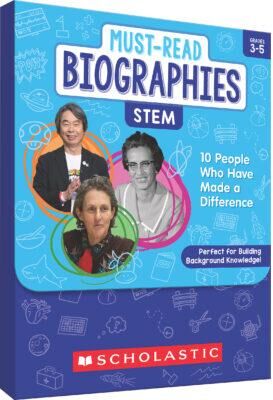
Must-Read Biographies: STEMKatherine Johnson, Shigeru Miyamoto, Temple Grandin, Benjamin Banneker... These people's stories, along with those of other notable figures in this set, will fascinate students who are interested in science, technology, engineering, and math....25,49 $*Shipping: 0,00 $Secure redirect to the provider
-
Inspired Finds Penguin Rescue Ice Tapping STEM Game Penguin Rescue Ice Tapping STEM GameTurn learning into laughter with this engaging ice tapping rescue game that blends skill, strategy, and family fun. In this interactive activity, players carefully tap away blocks of ice to help save the penguin toy, strengthening focus and fine...34,99 $*Shipping: 0,00 $Secure redirect to the provider



-
Is the stem edible?
Yes, the stem of a mushroom is edible. However, the texture and flavor of the stem can vary depending on the type of mushroom. Some mushroom stems may be tough and woody, while others may be tender and flavorful. It's important to consider the specific variety of mushroom and how it is being prepared before deciding whether to eat the stem. **
-
What are stem cells?
Stem cells are a type of cell that has the unique ability to develop into many different types of cells in the body. They can divide and produce more stem cells, or they can differentiate into specialized cell types, such as muscle cells, nerve cells, or blood cells. This ability to regenerate and differentiate into various cell types makes stem cells a valuable tool for medical research and potential treatments for a variety of diseases and injuries. There are different types of stem cells, including embryonic stem cells, adult stem cells, and induced pluripotent stem cells, each with their own unique characteristics and potential applications. **
-
Could stem cell research...
Stem cell research has the potential to revolutionize medicine by providing new treatments for a wide range of diseases and injuries. It could lead to the development of regenerative therapies that could repair or replace damaged tissues and organs, offering hope to patients with conditions that are currently untreatable. Additionally, stem cell research could also provide valuable insights into the underlying causes of many diseases, leading to better understanding and improved treatments. However, ethical concerns and regulatory challenges must be carefully considered to ensure that the research is conducted responsibly and ethically. **
-
Do you receive money for donating blood or stem cells?
No, I do not receive money for donating blood or stem cells. Donating blood and stem cells is a voluntary and altruistic act aimed at helping others in need. While some organizations may offer small incentives such as gift cards or t-shirts as a token of appreciation, the primary motivation for donating should be to save lives and make a positive impact on the health of others. **

What is the difference between multipotent hematopoietic stem cells and hematopoietic stem cells?
Multipotent hematopoietic stem cells are a type of hematopoietic stem cell that have the ability to differentiate into multiple types of blood cells, such as red blood cells, white blood cells, and platelets. Hematopoietic stem cells, on the other hand, are a broader category of stem cells that include both multipotent and pluripotent stem cells. While multipotent hematopoietic stem cells can only differentiate into blood cells, hematopoietic stem cells can also give rise to other types of cells, such as immune cells and bone marrow stromal cells. **
What is stem cell therapy?
Stem cell therapy is a type of treatment that uses stem cells to repair, replace, or regenerate damaged cells or tissues in the body. Stem cells have the unique ability to develop into different types of cells, such as muscle cells, nerve cells, or blood cells. This therapy has the potential to treat a wide range of medical conditions, including injuries, degenerative diseases, and genetic disorders. Stem cell therapy can be derived from various sources, such as bone marrow, adipose tissue, or embryonic cells. **
Top-Angebote
Products related to Stem:
-
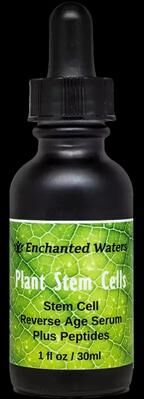
DynamicDeals Stem Cell Serum Anti Aging Real Stem Cell Cultures Matrixyl 3000 Hyaluronic Acid Stem Cell Serum Anti Aging Real Stem Cell Cultures Matrixyl 3000 Hyaluronic AcidFeatures:Enriched With REAL Plant Stem Cell CulturesFights Environmental Aggressors, Boosts CollagenRepairs Cell Damage & Enhances Skins Own DefensePeptide Rich with Matrixyl 3000Description:Weve taken these fantastic antiaging skincare geniuses and...40,97 $*Shipping: 0,00 $Secure redirect to the provider
-
Arctic Hayes Stem ThermometerArctic Hayes Stem Thermometer (AH02) The Arctic Hayes Stem Thermometer is fast and accurate for professional and domestic use. With a stainless steel probe, it's suitable for liquids, semi-solids and solids, making it useful for plumbing diagnostics, heating system checks, catering environments and laboratory use. With a wide operating range of -55°C to +330°C, the thermometer is versatile across many applications. The Max/Min function helps monitor temperature fluctuations, a data hold function locks a reading in place for easy note-taking, and the selectable °C/°F display makes it easy to use whatever the preference. Compact and robust, the thermometer comes with a protective probe sheath, a low battery indicator, and is CE, UKCA, EMC and RoHS compliant. Supplied with a long-life 3V CR1220 battery, it's ready to use straight out of the13,44 £*Shipping: 5,00 £Secure redirect to the provider
-
Must-Read Biographies: STEMKatherine Johnson, Shigeru Miyamoto, Temple Grandin, Benjamin Banneker... These people's stories, along with those of other notable figures in this set, will fascinate students who are interested in science, technology, engineering, and math....25,49 $*Shipping: 0,00 $Secure redirect to the provider
-
Inspired Finds Penguin Rescue Ice Tapping STEM Game Penguin Rescue Ice Tapping STEM GameTurn learning into laughter with this engaging ice tapping rescue game that blends skill, strategy, and family fun. In this interactive activity, players carefully tap away blocks of ice to help save the penguin toy, strengthening focus and fine...34,99 $*Shipping: 0,00 $Secure redirect to the provider
-
What are the differences between embryonic stem cells, omnipotent stem cells, adult stem cells, totipotent stem cells, and multipotent stem cells?
Embryonic stem cells are derived from embryos and have the potential to develop into any type of cell in the body. Omnipotent stem cells, also known as pluripotent stem cells, are similar to embryonic stem cells in that they can differentiate into any type of cell, but they are derived from adult tissues. Adult stem cells are found in various tissues and have the ability to differentiate into a limited range of cell types. Totipotent stem cells have the highest potential for differentiation and can develop into any type of cell, as well as into extraembryonic tissues such as the placenta. Multipotent stem cells can differentiate into a limited number of cell types, typically within a specific tissue or organ. **
-
What is the difference between high-stem and low-stem gardens?
High-stem gardens are characterized by tall, upright plants that are typically spaced further apart, allowing for more airflow and sunlight penetration. These gardens often feature larger, more prominent plants that can create a sense of privacy and enclosure. On the other hand, low-stem gardens are characterized by shorter, more compact plants that are densely planted, creating a lush and full appearance. These gardens are often used to create a sense of intimacy and coziness, and they can be particularly effective in small spaces or as borders and edging. **
-
Is the stem edible?
Yes, the stem of a mushroom is edible. However, the texture and flavor of the stem can vary depending on the type of mushroom. Some mushroom stems may be tough and woody, while others may be tender and flavorful. It's important to consider the specific variety of mushroom and how it is being prepared before deciding whether to eat the stem. **
-
What are stem cells?
Stem cells are a type of cell that has the unique ability to develop into many different types of cells in the body. They can divide and produce more stem cells, or they can differentiate into specialized cell types, such as muscle cells, nerve cells, or blood cells. This ability to regenerate and differentiate into various cell types makes stem cells a valuable tool for medical research and potential treatments for a variety of diseases and injuries. There are different types of stem cells, including embryonic stem cells, adult stem cells, and induced pluripotent stem cells, each with their own unique characteristics and potential applications. **
Similar search terms for Stem
-
Could stem cell research...
Stem cell research has the potential to revolutionize medicine by providing new treatments for a wide range of diseases and injuries. It could lead to the development of regenerative therapies that could repair or replace damaged tissues and organs, offering hope to patients with conditions that are currently untreatable. Additionally, stem cell research could also provide valuable insights into the underlying causes of many diseases, leading to better understanding and improved treatments. However, ethical concerns and regulatory challenges must be carefully considered to ensure that the research is conducted responsibly and ethically. **
-
Do you receive money for donating blood or stem cells?
No, I do not receive money for donating blood or stem cells. Donating blood and stem cells is a voluntary and altruistic act aimed at helping others in need. While some organizations may offer small incentives such as gift cards or t-shirts as a token of appreciation, the primary motivation for donating should be to save lives and make a positive impact on the health of others. **
-
What is the difference between multipotent hematopoietic stem cells and hematopoietic stem cells?
Multipotent hematopoietic stem cells are a type of hematopoietic stem cell that have the ability to differentiate into multiple types of blood cells, such as red blood cells, white blood cells, and platelets. Hematopoietic stem cells, on the other hand, are a broader category of stem cells that include both multipotent and pluripotent stem cells. While multipotent hematopoietic stem cells can only differentiate into blood cells, hematopoietic stem cells can also give rise to other types of cells, such as immune cells and bone marrow stromal cells. **
-
What is stem cell therapy?
Stem cell therapy is a type of treatment that uses stem cells to repair, replace, or regenerate damaged cells or tissues in the body. Stem cells have the unique ability to develop into different types of cells, such as muscle cells, nerve cells, or blood cells. This therapy has the potential to treat a wide range of medical conditions, including injuries, degenerative diseases, and genetic disorders. Stem cell therapy can be derived from various sources, such as bone marrow, adipose tissue, or embryonic cells. **
* All prices are inclusive of VAT and, if applicable, plus shipping costs. The offer information is based on the details provided by the respective shop and is updated through automated processes. Real-time updates do not occur, so deviations can occur in individual cases. ** Note: Parts of this content were created by AI.