Buy lanpengeonline.eu ?
We are moving the project
lanpengeonline.eu .
Are you interested in purchasing the domain
lanpengeonline.eu ?
domain@kv-gmbh.de · 0541-91531010
Buy lanpengeonline.eu ?
What are similarity ratios?
Similarity ratios are ratios that compare the corresponding sides of two similar figures. They help us understand the relationship between the sides of similar shapes. The ratio of corresponding sides in similar figures is always the same, which means that if you know the ratio of one pair of sides, you can use it to find the ratio of other pairs of sides. Similarity ratios are important in geometry and are used to solve problems involving similar figures. **
What is the difference between similarity theorem 1 and similarity theorem 2?
Similarity theorem 1, also known as the Angle-Angle (AA) similarity theorem, states that if two angles of one triangle are congruent to two angles of another triangle, then the triangles are similar. On the other hand, similarity theorem 2, also known as the Side-Angle-Side (SAS) similarity theorem, states that if two sides of one triangle are proportional to two sides of another triangle and the included angles are congruent, then the triangles are similar. The main difference between the two theorems is the criteria for establishing similarity - AA theorem focuses on angle congruence, while SAS theorem focuses on both side proportionality and angle congruence. **


Similar search terms for Similarity
Top-Angebote
Products related to Similarity:
-
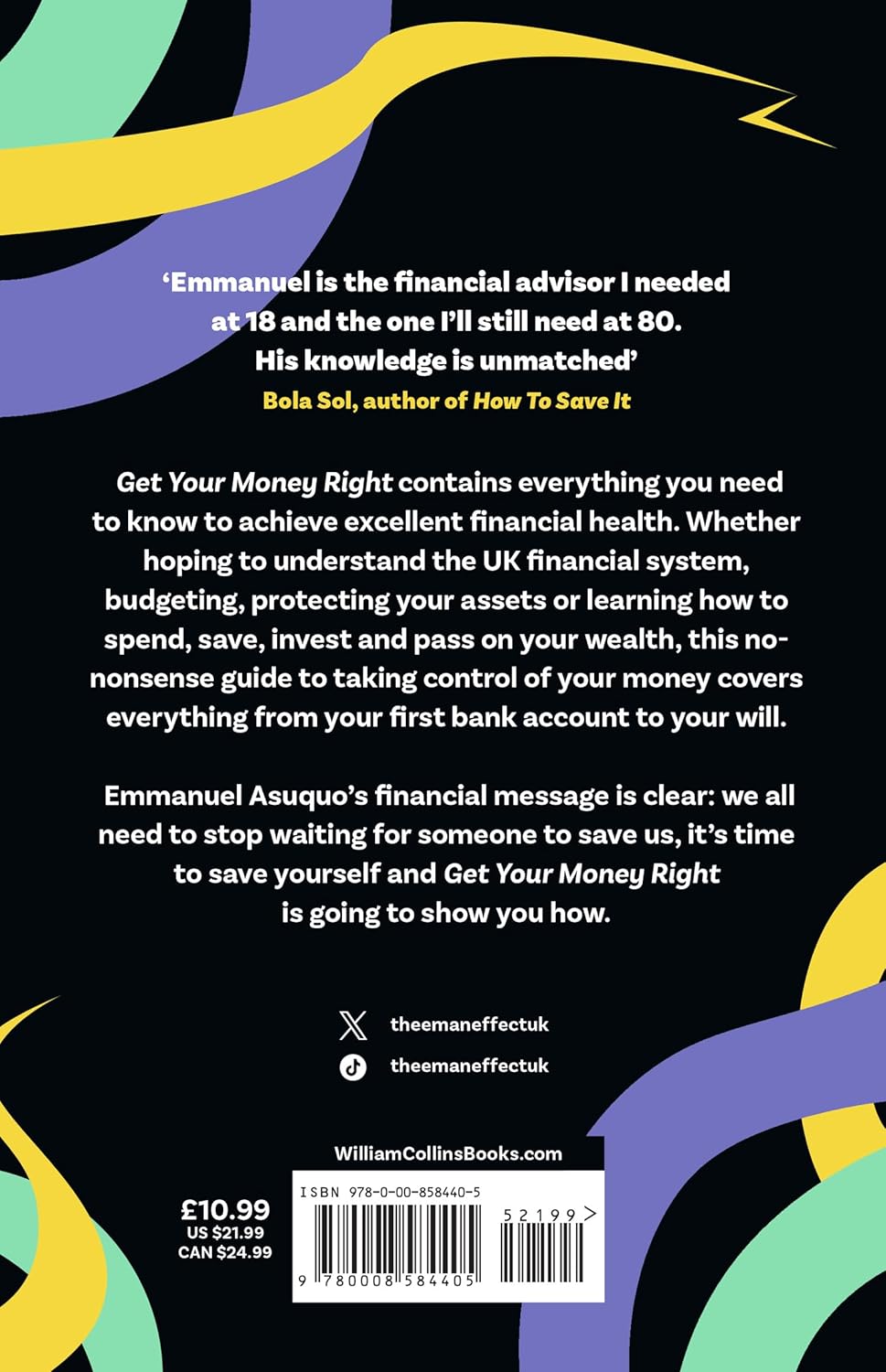
William Collins Get Your Money Right by Emmanuel Asuquo - Understand Your Money and Make It Work for You - Paperback Personal Finance GuideGet Your Money Right is a practical guide to personal finance from TV's trusted money expert, Emmanuel Asuquo. This paperback book breaks down the UK financial system into clear, actionable steps, helping readers build a healthier money mindset and work towards long-term financial security. Drawing on real client stories from his career as a financial adviser, Asuquo explains how the UK financial system works and why financial education matters, especially amid ongoing cost of living pressures. The book moves step by step through practical territory, covering understanding your relationship with money, building better financial habits, and navigating the UK financial system.4,99 £*Shipping: 2,99 £Secure redirect to the provider
-
John Murray You Are a Badass at Making Money by Jen Sincero - Paperback Self Help Book on Money Mindset & Personal Finance - NewYou Are a Badass at Making Money is a self-help guide by Jen Sincero. This book offers a no-nonsense approach to breaking through mental blocks that keep people stuck in financial struggle. It blends sharp comedy with practical exercises to help readers rewire their relationship with money and build real wealth. The book is a follow-up to Sincero's phenomenon You Are a Badass and provides bite-sized, actionable steps to overcome internal stories, fears, and excuses that sabotage earning potential. The paperback edition is a brand-new release from John Murray, a publisher known for its high-quality books for adults.2,99 £*Shipping: 2,99 £Secure redirect to the provider
-
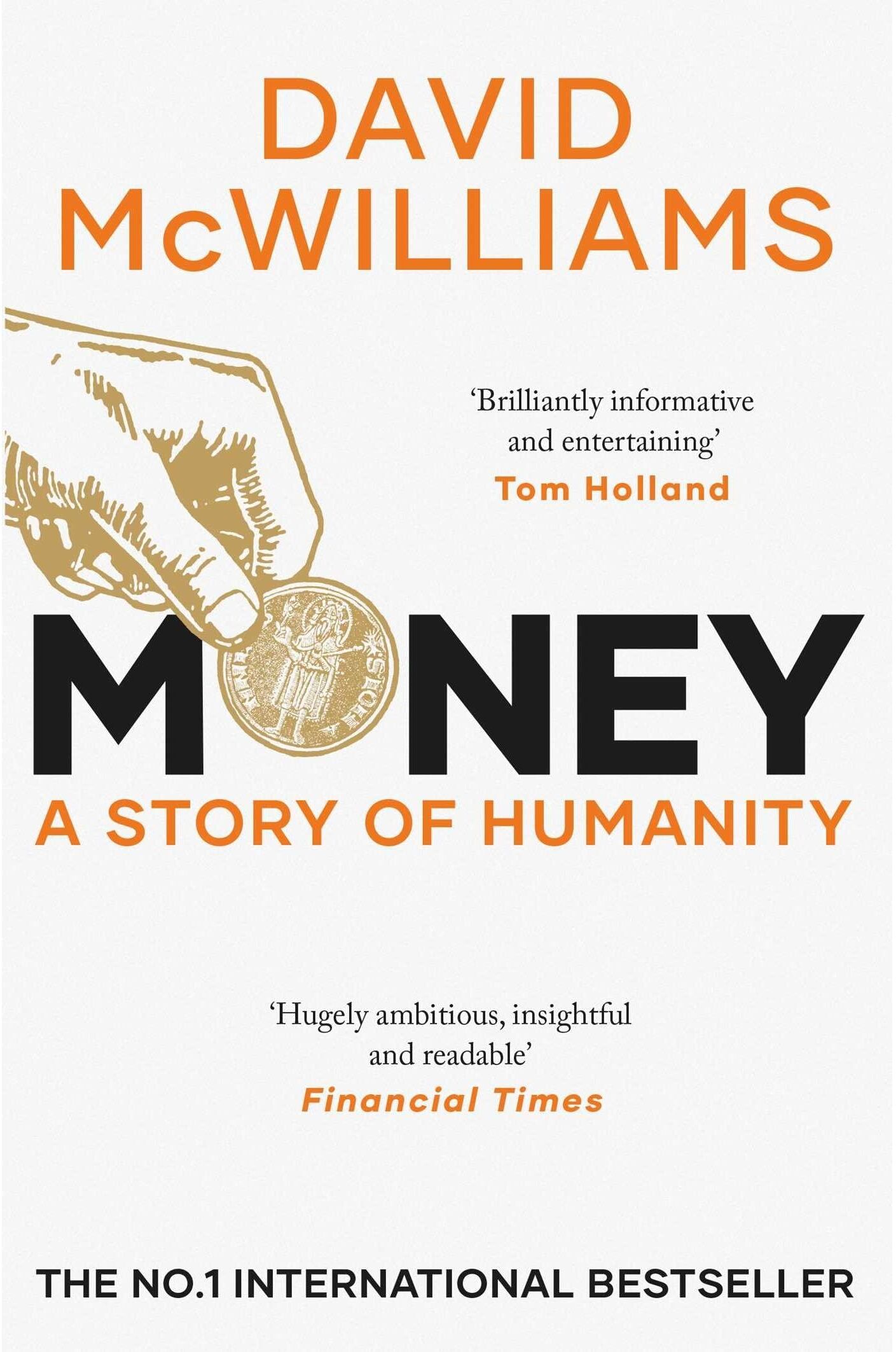
Simon & Schuster Money: A Story of Humanity by David McWilliams Economic History & Global Finance ExplainedIn Money: A Story of Humanity, renowned economist David McWilliams explores the fascinating history of money — not just as currency, but as a powerful force that has shaped human civilisation, relationships, technology, and global society. From ancient barter systems to cryptocurrency revolutions, McWilliams reveals how money reflects our values, ambitions, fears, politics, and culture.Rich with storytelling, sharp insights, and humour, this book makes complex economic ideas accessible, engaging, and deeply human. Perfect for readers who enjoy exploring how history, psychology, markets, and power intersect, Money: A Story of Humanity provides a fresh, eye-opening look at how money drives — and is driven by — human behaviour. Ideal for fans of Yuval Noah Harari, Tim Harford, Niall Ferguson, and Mary Beard.7,99 £*Shipping: 2,99 £Secure redirect to the provider
-
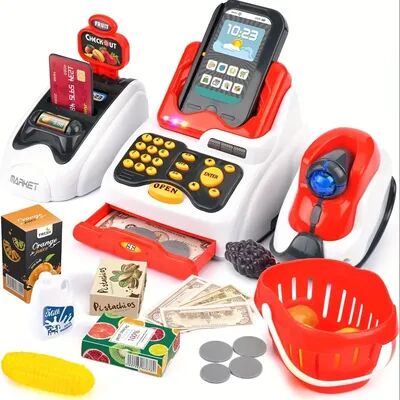
Perfect Picks Market Toy Cash Register For Kids, Checkout Scanner, Play Money Food Set, , Credit Card Machine, Fruit Card Reader Toy Cash Register For Kids, Checkout Scanner, Play Money Food Set, , Credit Card Machine, Fruit Card ReaderEngage Your Child with Playful Learning The 33PCS Toy Cash Register for Kids with Checkout Scanner is a perfect way to help children develop essential skills while having fun! Designed for little ones, this interactive toy includes a realistic...59,97 $*Shipping: 0,00 $Secure redirect to the provider

-
How can one calculate the similarity factor to determine the similarity of triangles?
The similarity factor can be calculated by comparing the corresponding sides of two triangles. To do this, one can divide the length of one side of the first triangle by the length of the corresponding side of the second triangle. This process is repeated for all three pairs of corresponding sides. If the ratios of the corresponding sides are equal, then the triangles are similar, and the similarity factor will be 1. If the ratios are not equal, the similarity factor will be the ratio of the two triangles' areas. **
-
How can the similarity factor for determining the similarity of triangles be calculated?
The similarity factor for determining the similarity of triangles can be calculated by comparing the corresponding sides of the two triangles. If the ratio of the lengths of the corresponding sides of the two triangles is the same, then the triangles are similar. This ratio can be calculated by dividing the length of one side of a triangle by the length of the corresponding side of the other triangle. If all three ratios of corresponding sides are equal, then the triangles are similar. This is known as the similarity factor and is used to determine the similarity of triangles. **
-
What is similarity in mathematics?
In mathematics, similarity refers to the relationship between two objects or shapes that have the same shape but are not necessarily the same size. This means that the objects are proportional to each other, with corresponding angles being equal and corresponding sides being in the same ratio. Similarity is often used in geometry to compare and analyze shapes, allowing for the transfer of properties and measurements from one shape to another. **
-
Do you see the similarity?
Yes, I see the similarity between the two concepts. Both share common characteristics and features that make them comparable. The similarities can be observed in their structure, function, and behavior. These similarities help in understanding and drawing parallels between the two concepts. **
'How do you prove similarity?'
Similarity between two objects can be proven using various methods. One common method is to show that the corresponding angles of the two objects are congruent, and that the corresponding sides are in proportion to each other. Another method is to use transformations such as dilation, where one object can be scaled up or down to match the other object. Additionally, if the ratio of the lengths of corresponding sides is equal, then the two objects are similar. These methods can be used to prove similarity in geometric figures such as triangles or other polygons. **
What is the similarity ratio?
The similarity ratio is a comparison of the corresponding sides of two similar figures. It is used to determine how the dimensions of one figure compare to the dimensions of another figure when they are similar. The ratio is calculated by dividing the length of a side of one figure by the length of the corresponding side of the other figure. This ratio remains constant for all pairs of corresponding sides in similar figures. **
Top-Angebote
Products related to Similarity:
-
Hay House UK Make Money Easy by Lewis Howes - Hardback - Financial Freedom & Money Mindset Guide for Adults - Personal Finance BestsellerCreate financial freedom and live a richer life with this practical guide by Lewis Howes. This hardback book is a mindset-first approach to building genuine financial freedom, drawing on interviews with leading financial experts, cutting-edge money psychology research, and the author's own journey from broke to abundant. It helps readers uncover their unique 'Money Style,' build a powerful 'Money Mindset,' and develop a clear, actionable roadmap to earn more, worry less, and feel at peace with their finances. Written by the host of The School of Greatness podcast, this book is perfect for anyone tired of feeling stuck with money.21,99 £*Shipping: 2,99 £Secure redirect to the provider
-
The Readers Paradise The Psychology of Money Mindset: Decoding Financial Behaviour by Dr. N. Gosain - Paperback - Personal Finance & Money Psychology GuideDiscover the psychology behind your financial decisions with this practical guide by Dr. N. Gosain. The Psychology of Money Mindset: Decoding Financial Behaviour is a thought-provoking read that explores the psychological roots of our financial behaviour and shows how mindset, not just income, determines long-term financial success. This accessible paperback helps readers uncover unconscious habits, biases, and emotional triggers that shape spending, saving, and investing, and provides real-world money management advice to build a healthier, more confident relationship with money and take control of their financial future.2,99 £*Shipping: 2,99 £Secure redirect to the provider
-
William Collins Get Your Money Right by Emmanuel Asuquo - Understand Your Money and Make It Work for You - Paperback Personal Finance GuideGet Your Money Right is a practical guide to personal finance from TV's trusted money expert, Emmanuel Asuquo. This paperback book breaks down the UK financial system into clear, actionable steps, helping readers build a healthier money mindset and work towards long-term financial security. Drawing on real client stories from his career as a financial adviser, Asuquo explains how the UK financial system works and why financial education matters, especially amid ongoing cost of living pressures. The book moves step by step through practical territory, covering understanding your relationship with money, building better financial habits, and navigating the UK financial system.4,99 £*Shipping: 2,99 £Secure redirect to the provider
-
John Murray You Are a Badass at Making Money by Jen Sincero - Paperback Self Help Book on Money Mindset & Personal Finance - NewYou Are a Badass at Making Money is a self-help guide by Jen Sincero. This book offers a no-nonsense approach to breaking through mental blocks that keep people stuck in financial struggle. It blends sharp comedy with practical exercises to help readers rewire their relationship with money and build real wealth. The book is a follow-up to Sincero's phenomenon You Are a Badass and provides bite-sized, actionable steps to overcome internal stories, fears, and excuses that sabotage earning potential. The paperback edition is a brand-new release from John Murray, a publisher known for its high-quality books for adults.2,99 £*Shipping: 2,99 £Secure redirect to the provider
-
What are similarity ratios?
Similarity ratios are ratios that compare the corresponding sides of two similar figures. They help us understand the relationship between the sides of similar shapes. The ratio of corresponding sides in similar figures is always the same, which means that if you know the ratio of one pair of sides, you can use it to find the ratio of other pairs of sides. Similarity ratios are important in geometry and are used to solve problems involving similar figures. **
-
What is the difference between similarity theorem 1 and similarity theorem 2?
Similarity theorem 1, also known as the Angle-Angle (AA) similarity theorem, states that if two angles of one triangle are congruent to two angles of another triangle, then the triangles are similar. On the other hand, similarity theorem 2, also known as the Side-Angle-Side (SAS) similarity theorem, states that if two sides of one triangle are proportional to two sides of another triangle and the included angles are congruent, then the triangles are similar. The main difference between the two theorems is the criteria for establishing similarity - AA theorem focuses on angle congruence, while SAS theorem focuses on both side proportionality and angle congruence. **
-
How can one calculate the similarity factor to determine the similarity of triangles?
The similarity factor can be calculated by comparing the corresponding sides of two triangles. To do this, one can divide the length of one side of the first triangle by the length of the corresponding side of the second triangle. This process is repeated for all three pairs of corresponding sides. If the ratios of the corresponding sides are equal, then the triangles are similar, and the similarity factor will be 1. If the ratios are not equal, the similarity factor will be the ratio of the two triangles' areas. **
-
How can the similarity factor for determining the similarity of triangles be calculated?
The similarity factor for determining the similarity of triangles can be calculated by comparing the corresponding sides of the two triangles. If the ratio of the lengths of the corresponding sides of the two triangles is the same, then the triangles are similar. This ratio can be calculated by dividing the length of one side of a triangle by the length of the corresponding side of the other triangle. If all three ratios of corresponding sides are equal, then the triangles are similar. This is known as the similarity factor and is used to determine the similarity of triangles. **
Similar search terms for Similarity
-
Simon & Schuster Money: A Story of Humanity by David McWilliams Economic History & Global Finance ExplainedIn Money: A Story of Humanity, renowned economist David McWilliams explores the fascinating history of money — not just as currency, but as a powerful force that has shaped human civilisation, relationships, technology, and global society. From ancient barter systems to cryptocurrency revolutions, McWilliams reveals how money reflects our values, ambitions, fears, politics, and culture.Rich with storytelling, sharp insights, and humour, this book makes complex economic ideas accessible, engaging, and deeply human. Perfect for readers who enjoy exploring how history, psychology, markets, and power intersect, Money: A Story of Humanity provides a fresh, eye-opening look at how money drives — and is driven by — human behaviour. Ideal for fans of Yuval Noah Harari, Tim Harford, Niall Ferguson, and Mary Beard.7,99 £*Shipping: 2,99 £Secure redirect to the provider
-
Perfect Picks Market Toy Cash Register For Kids, Checkout Scanner, Play Money Food Set, , Credit Card Machine, Fruit Card Reader Toy Cash Register For Kids, Checkout Scanner, Play Money Food Set, , Credit Card Machine, Fruit Card ReaderEngage Your Child with Playful Learning The 33PCS Toy Cash Register for Kids with Checkout Scanner is a perfect way to help children develop essential skills while having fun! Designed for little ones, this interactive toy includes a realistic...59,97 $*Shipping: 0,00 $Secure redirect to the provider
-
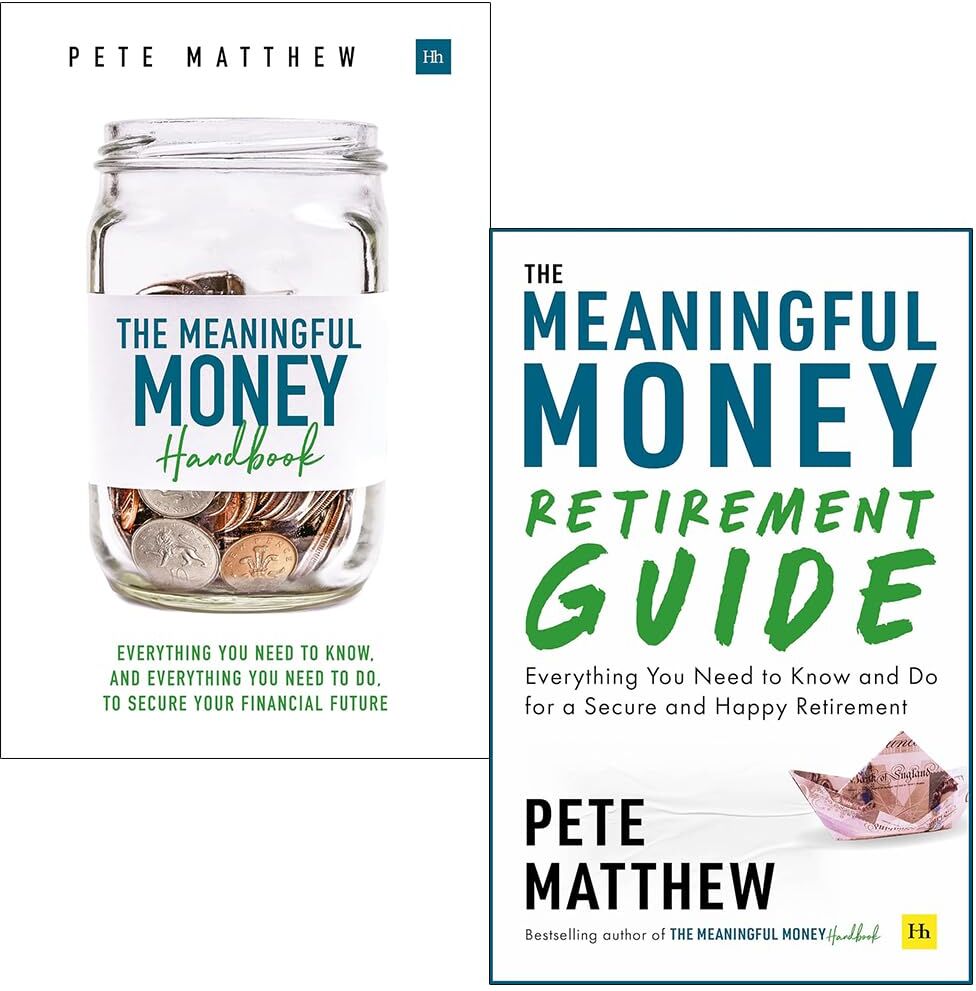
Harriman House Meaningful Money 2 Books Collection Set by Pete Matthew - Handbook & Retirement Guide - Paperback - Personal FinanceThe Meaningful Money 2 Books Collection Set brings together two practical guides to personal finance by Pete Matthew, a Chartered Financial Planner with 25 years of industry experience. The set includes The Meaningful Money Handbook and The Meaningful Money Retirement Guide, both written in clear and actionable steps. The books work together to build lasting financial confidence, covering everyday money management and retirement planning. Written for adults, this paperback set is a comprehensive roadmap for anyone looking to get their finances in order or plan for retirement.22,99 £*Shipping: 2,99 £Secure redirect to the provider
-
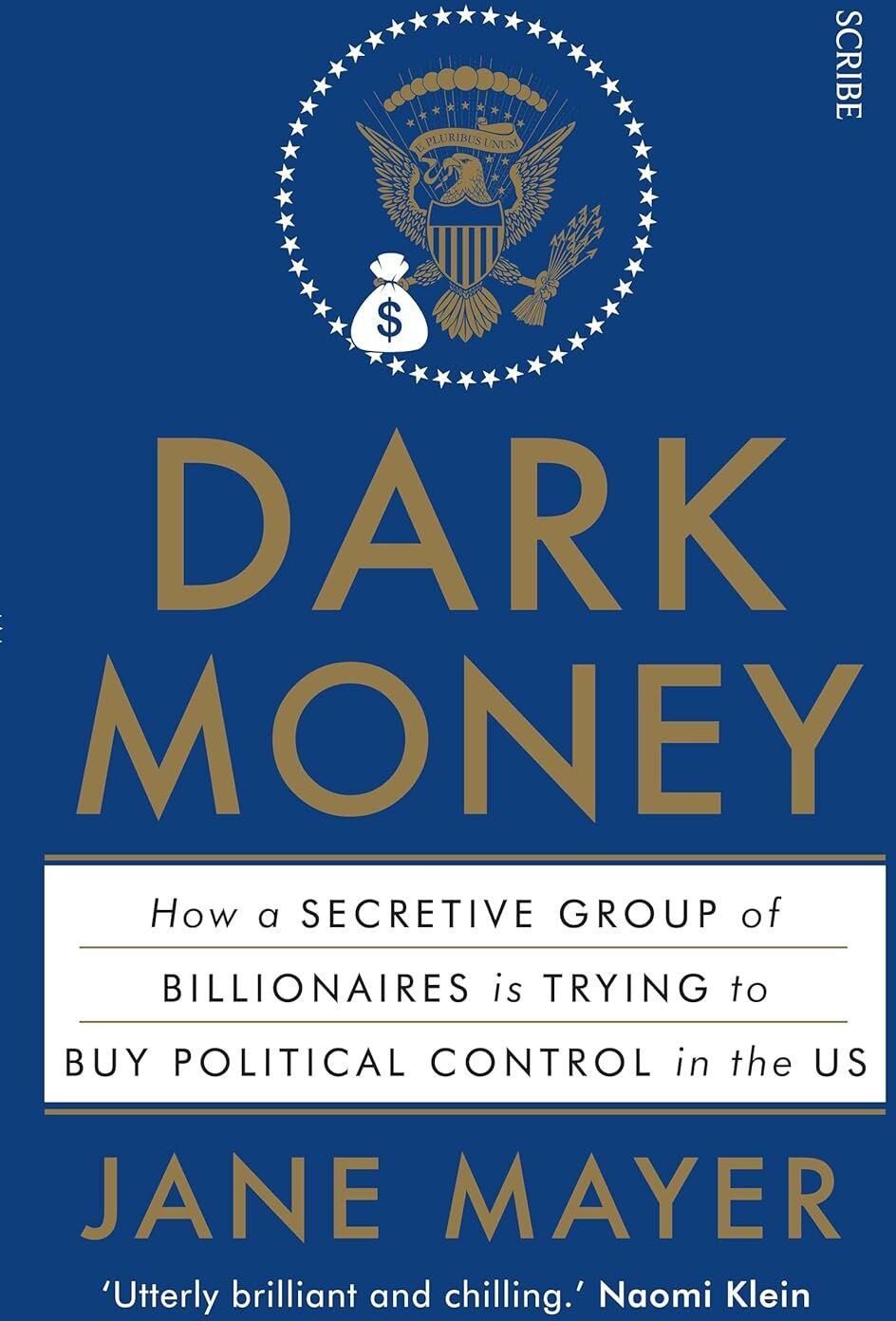
Dark Money: How Billionaires Buy Politics by Jane Mayer - Scribe UK Paperback - Investigative Politics & Finance Book - NewDark Money is a landmark work of investigative journalism by Jane Mayer, tracing how a small network of extremely wealthy right-wing donors reshaped American politics over four decades. Meticulously sourced and compellingly written, it uncovers the funding of think tanks, front groups, and campaigns designed to influence elections, courts, and public opinion. This brand new paperback is essential reading for anyone interested in modern politics, economic inequality, and the hidden machinery of democracy. Written by New Yorker staff writer Jane Mayer, the book exposes the network of billionaires trying to buy the US electoral system, led by libertarian industrialists Charles and David Koch, along with allies such as the Scaifes, Olins, and Bradleys, who have poured vast sums into the system.7,49 £*Shipping: 2,99 £Secure redirect to the provider
-
What is similarity in mathematics?
In mathematics, similarity refers to the relationship between two objects or shapes that have the same shape but are not necessarily the same size. This means that the objects are proportional to each other, with corresponding angles being equal and corresponding sides being in the same ratio. Similarity is often used in geometry to compare and analyze shapes, allowing for the transfer of properties and measurements from one shape to another. **
-
Do you see the similarity?
Yes, I see the similarity between the two concepts. Both share common characteristics and features that make them comparable. The similarities can be observed in their structure, function, and behavior. These similarities help in understanding and drawing parallels between the two concepts. **
-
'How do you prove similarity?'
Similarity between two objects can be proven using various methods. One common method is to show that the corresponding angles of the two objects are congruent, and that the corresponding sides are in proportion to each other. Another method is to use transformations such as dilation, where one object can be scaled up or down to match the other object. Additionally, if the ratio of the lengths of corresponding sides is equal, then the two objects are similar. These methods can be used to prove similarity in geometric figures such as triangles or other polygons. **
-
What is the similarity ratio?
The similarity ratio is a comparison of the corresponding sides of two similar figures. It is used to determine how the dimensions of one figure compare to the dimensions of another figure when they are similar. The ratio is calculated by dividing the length of a side of one figure by the length of the corresponding side of the other figure. This ratio remains constant for all pairs of corresponding sides in similar figures. **
* All prices are inclusive of VAT and, if applicable, plus shipping costs. The offer information is based on the details provided by the respective shop and is updated through automated processes. Real-time updates do not occur, so deviations can occur in individual cases. ** Note: Parts of this content were created by AI.