Buy lanpengeonline.eu ?
We are moving the project
lanpengeonline.eu .
Are you interested in purchasing the domain
lanpengeonline.eu ?
domain@kv-gmbh.de · 0541-91531010
Buy lanpengeonline.eu ?
What is the contract for private lending of money?
A contract for private lending of money is a legal agreement between a lender and a borrower that outlines the terms and conditions of a loan. This contract typically includes details such as the loan amount, interest rate, repayment schedule, and any collateral or guarantees required. It also specifies the rights and responsibilities of both parties, as well as any penalties for defaulting on the loan. This contract is essential for protecting both the lender and the borrower and ensuring that the loan agreement is legally binding. **
How does lending money through PayPal work?
When you lend money through PayPal, you can use the platform's "Send Money" feature to transfer funds to another user. You can specify the amount you want to lend and the recipient's email address or phone number. The recipient will receive the money in their PayPal account, and they can then transfer it to their bank account or use it for online purchases. PayPal may charge a fee for the transaction, depending on the payment method used and the recipient's location. **
Similar search terms for Of
Top-Angebote
Products related to Of:
-
Harriman House Psychology of Money, The Trading Game and Money: A Story of Humanity 3 Books Collection SetPsychology of Money by Morgan Housel Doing well with money isn't necessarily about what you know. It's about how you behave. And behavior is hard to teach, even to really smart people. Money – investing, personal finance, and business decisions – is typically taught as a math-based field, where data and formulas tell us exactly what to do. But in the real world people don't make financial decisions on a spreadsheet. They make them at the dinner table, or in a meeting room, where personal history, your own unique view of the world, ego, pride, marketing, and odd incentives are scrambled together. The Trading Game by Gary Stevenson Ever since he was a kid, kicking broken footballs on the streets of East London in the shadow of Canary Wharf's skyscrapers, Gary wanted something better. Something a whole lot bigger. Then he won a competition run by a bank: 'The Trading Game'. The prize: a golden ticket to a new life, as the youngest trader in the whole city. A place where you could make more money than you'd ever imagined. Where your colleagues are dysfunctional maths geniuses, overfed public schoolboys and borderline psychopaths, yet they start to feel like family. Where soon you're the bank's most profitable trader, dealing in nearly a trillion dollars. A day. Where you dream of numbers in your sleep - and then stop sleeping at all. Money: A Story of Humanity by David McWilliams MONEY. The object of our desires. The engine of our genius. Humanity’s greatest invention. From clay tablets in Mesopotamia to today’s cryptocurrency, global economist David McWilliams takes us on an epic journey of innovation, disruption and transformation that is an astonishing new history of our species. The question is, over 5,000 years, have we changed money – or has money changed us?22,99 £*Shipping: 2,99 £Secure redirect to the provider
-
John Murray Happy Money: The Japanese Art of Making Peace with Your MoneyLook around you - what do you see? You may discover to your surprise that the people who are most at peace with money are the ones who walk nimbly between having too little and having too much. They have found a balance between indulgence and austerity; between success and happiness; between motivation and inspiration; and between any number of other poles we tend to think of as either/or choices, but which in reality are simply posts on either side of a doorway through which we must pass. For many of us the subject of money is unavoidably stressful. Managing our personal finances is complicated, time consuming and often, particularly in the slow countdown to pay day, dispiriting. The good news is that in Japan - where a Zen approach to life is more widely practiced - a pathway to a better relationship with money is being carved, by Ken Honda. This beautifully written book will reinvent the way you see your personal finances. You will come to understand that money flows like water and arrives like a guest. You'll rethink your own attitudes and examine the way they were shaped by beliefs about money you were taught as a child. When we heal the fear and anxiety we have about money, we successfully achieve prosperity and peace. Take the zen path to financial security and happiness.5,95 £*Shipping: 2,99 £Secure redirect to the provider
-
The Psychology Of Money, The Art of Spending Money & Same as Ever by Morgan Housel 3 Books Collection Set - Non Fiction - Paperback Pan MacmillanTitles in this set: 1. Same as Ever 2. The Psychology of Money 3. The Art of Spending Money Description: Same as Ever When planning for the future we often ask, “What will the economy be doing this time next year?” Or, “What will be different ten years from now?” But forecasting is hard. The important events that will shape the future are inherently unpredictable. Instead, we should be asking a different question: What will be the same ten years from now? What will be the same one hundred years from now? Knowledge of the things that never change is more useful, and more important, than an uncertain prediction of an unknowable future. In Same As Ever, bestselling author Morgan Housel shares 24 short stories about the ways that life, behaviour, and business will always be the same. Armed with this knowledge of the unchanging, you will have a powerful new ability to think about risk, opportunity, and how to navigate the uncertainty of the future. The Psychology of Money Doing well with money isn't necessarily about what you know. It's about how you behave. And behavior is hard to teach, even to really smart people. Money investing, personal finance, and business decisions is typically taught as a math-based field, where data and formulas tell us exactly what to do. But in the real world people don't make financial decisions on a spreadsheet. They make them at the dinner table, or in a meeting room, where personal history, your own unique view of the world, ego, pride, marketing, and odd incentives are scrambled together. In The Psychology of Money, award-winning author Morgan Housel shares 19 short stories exploring the strange ways people think about money and teaches you how to make better sense of one of life's most important topics. The Art of Spending Money Can money buy happiness? Yes. Can spending it make you happier? Absolutely. Yet, many of us struggle to unlock its full potential – either by spending on things that don't bring as much joy as they should, or by avoiding investments that would truly enhance our mental well-being. In The Art of Spending Money, award-winning and global bestselling author Morgan Housel offers a refreshingly practical approach to managing wealth while finding deeper meaning and contentment. Instead of cookie-cutter financial advice, Housel provides you with psychological tools to navigate your personal relationship with money and optimise for happiness. Discover why people often mistake envy for admiration, how to align your expectations with your income, and ways to invest in future happiness while avoiding regret. Learn about the dangers of social debt and embrace the radical idea that the fastest way to build wealth is by going slow. The Art of Spending Money delves into the complexities that surround money – envy, social aspirations, identity, and insecurity – crucial aspects often missed in traditional financial books. Armed with new insights into money and wealth, you’ll learn to sidestep common spending...26,99 £*Shipping: 2,99 £Secure redirect to the provider
-
Pan Macmillan UK Ltd The Psychology Of Money, The Art of Spending Money and Same as Ever by Morgan Housel 3 Books Collection SetThe Psychology Of Money, The Art of Spending Money and Same as Ever by Morgan Housel 3 Books Collection Set Titles in this set: 1. Same as Ever 2. The Psychology of Money 3. The Art of Spending Money Description: Same as Ever When planning for the future we often ask, “What will the economy be doing this time next year?” Or, “What will be different ten years from now?” But forecasting is hard. The important events that will shape the future are inherently unpredictable. Instead, we should be asking a different question: What will be the same ten years from now? What will be the same one hundred years from now? Knowledge of the things that never change is more useful, and more important, than an uncertain prediction of an unknowable future. In Same As Ever, bestselling author Morgan Housel shares 24 short stories about the ways that life, behaviour, and business will always be the same. Armed with this knowledge of the unchanging, you will have a powerful new ability to think about risk, opportunity, and how to navigate the uncertainty of the future. The Psychology of Money Doing well with money isn't necessarily about what you know. It's about how you behave. And behavior is hard to teach, even to really smart people. Money investing, personal finance, and business decisions is typically taught as a math-based field, where data and formulas tell us exactly what to do. But in the real world people don't make financial decisions on a spreadsheet. They make them at the dinner table, or in a meeting room, where personal history, your own unique view of the world, ego, pride, marketing, and odd incentives are scrambled together. In The Psychology of Money, award-winning author Morgan Housel shares 19 short stories exploring the strange ways people think about money and teaches you how to make better sense of one of life's most important topics. The Art of Spending Money Can money buy happiness? Yes. Can spending it make you happier? Absolutely. Yet, many of us struggle to unlock its full potential – either by spending on things that don't bring as much joy as they should, or by avoiding investments that would truly enhance our mental well-being. In The Art of Spending Money, award-winning and global bestselling author Morgan Housel offers a refreshingly practical approach to managing wealth while finding deeper meaning and contentment. Instead of cookie-cutter financial advice, Housel provides you with psychological tools to navigate your personal relationship with money and optimise for happiness. Discover why people often mistake envy for admiration, how to align your expectations with your income, and ways to invest in future happiness while avoiding regret. Learn about the dangers of social debt and embrace the radical idea that the fastest way to build wealth is by going slow. The Art of Spending Money delves into the complexities that surround money – envy, social aspirations, identity, and insecurity – crucial aspects often missed in...24,99 £*Shipping: 2,99 £Secure redirect to the provider


-
What is your stance on lending money?
I believe that lending money can be a helpful tool when used responsibly and with clear terms agreed upon by both parties. It can provide individuals with the financial support they need to achieve their goals or overcome temporary challenges. However, it is important to approach lending with caution and ensure that both the lender and borrower are aware of the risks involved. Communication, trust, and a clear repayment plan are key factors in successful lending relationships. **
-
What exactly is an instant loan or online loan?
An instant loan or online loan is a type of loan that allows individuals to apply for and receive funds quickly through an online platform. These loans typically have a simple application process that can be completed online, and the approval and disbursement of funds can happen within a short period of time, sometimes within minutes. Instant loans are often used for emergency expenses or unexpected financial needs, and they may have higher interest rates or fees compared to traditional bank loans. **
-
Should I finance my entire studies with a student loan?
It is not advisable to finance your entire studies with a student loan. While student loans can be helpful in covering some of the costs of education, relying solely on loans can lead to a significant amount of debt that may be difficult to repay after graduation. It is important to explore other options such as scholarships, grants, part-time work, or saving money beforehand to reduce the amount you need to borrow. It is recommended to borrow only what is necessary and to have a clear plan for how you will manage the debt after completing your studies. **
-
What excuses are there for not lending money to friends?
There are several valid excuses for not lending money to friends. One reason is that it can strain the friendship and create tension or resentment if the money is not repaid. Additionally, lending money to friends can create an awkward power dynamic and may lead to expectations of future financial assistance. Furthermore, there is always the risk that the friend may not be able to repay the loan, which can result in financial loss and damage the relationship. **

What is an online loan application?
An online loan application is a digital form that allows individuals to apply for a loan through a lender's website or online platform. It typically requires the applicant to provide personal and financial information, such as income, employment details, and credit history. The online application process is convenient and efficient, as it can be completed from the comfort of one's home or office, and often results in a quicker decision on the loan approval. **
How can I get a small loan without a credit check and proof of income?
One option to get a small loan without a credit check and proof of income is to consider a payday loan or a title loan. These types of loans typically do not require a credit check or proof of income, but they often come with high interest rates and fees. Another option is to borrow from friends or family members who may be willing to lend you money without these requirements. However, it's important to consider the potential impact on your relationships and to have a clear repayment plan in place. **
Top-Angebote
Products related to Of:
-
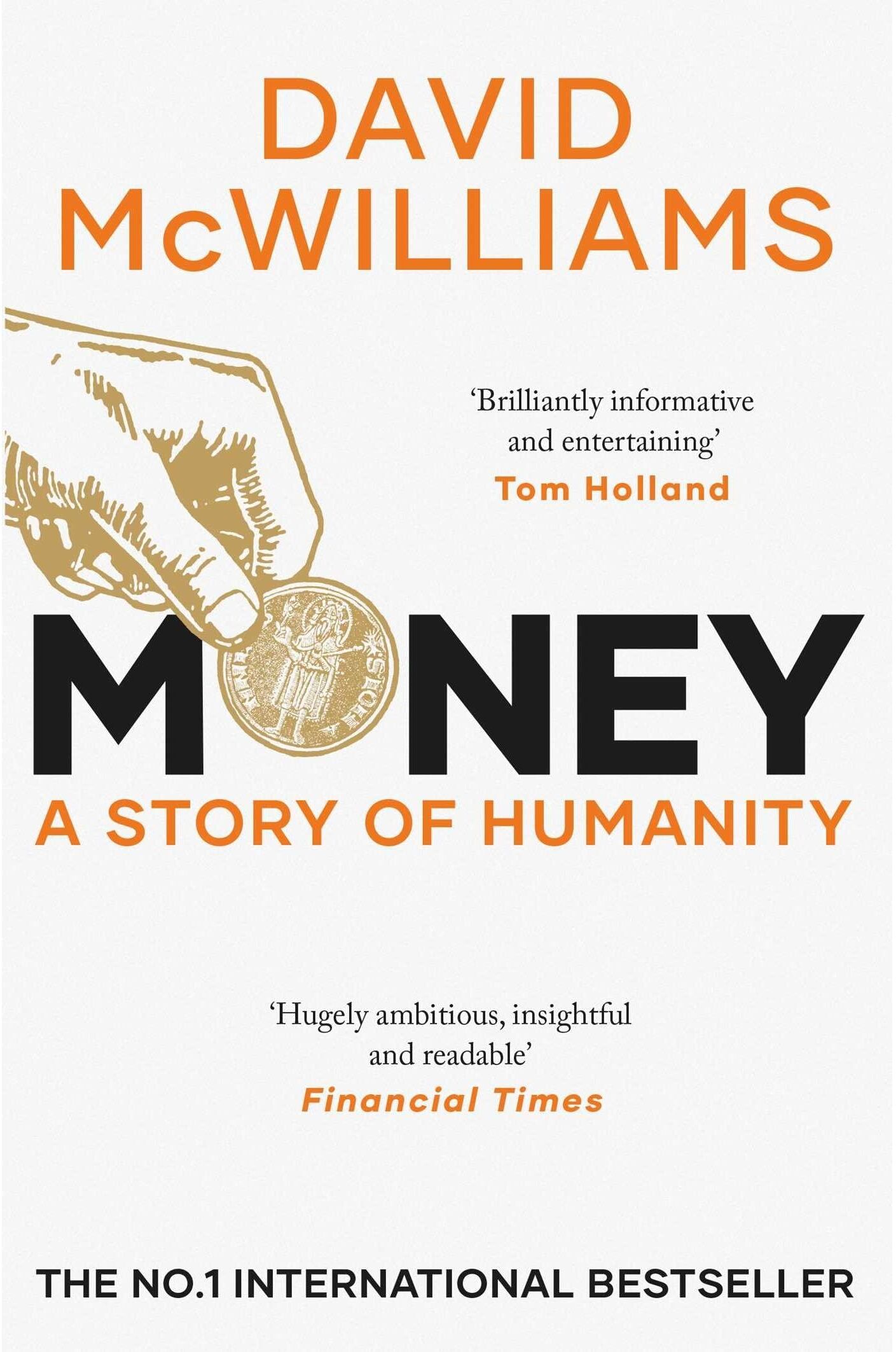
Simon & Schuster Money: A Story of Humanity by David McWilliams Economic History & Global Finance ExplainedIn Money: A Story of Humanity, renowned economist David McWilliams explores the fascinating history of money — not just as currency, but as a powerful force that has shaped human civilisation, relationships, technology, and global society. From ancient barter systems to cryptocurrency revolutions, McWilliams reveals how money reflects our values, ambitions, fears, politics, and culture.Rich with storytelling, sharp insights, and humour, this book makes complex economic ideas accessible, engaging, and deeply human. Perfect for readers who enjoy exploring how history, psychology, markets, and power intersect, Money: A Story of Humanity provides a fresh, eye-opening look at how money drives — and is driven by — human behaviour. Ideal for fans of Yuval Noah Harari, Tim Harford, Niall Ferguson, and Mary Beard.7,99 £*Shipping: 2,99 £Secure redirect to the provider
-
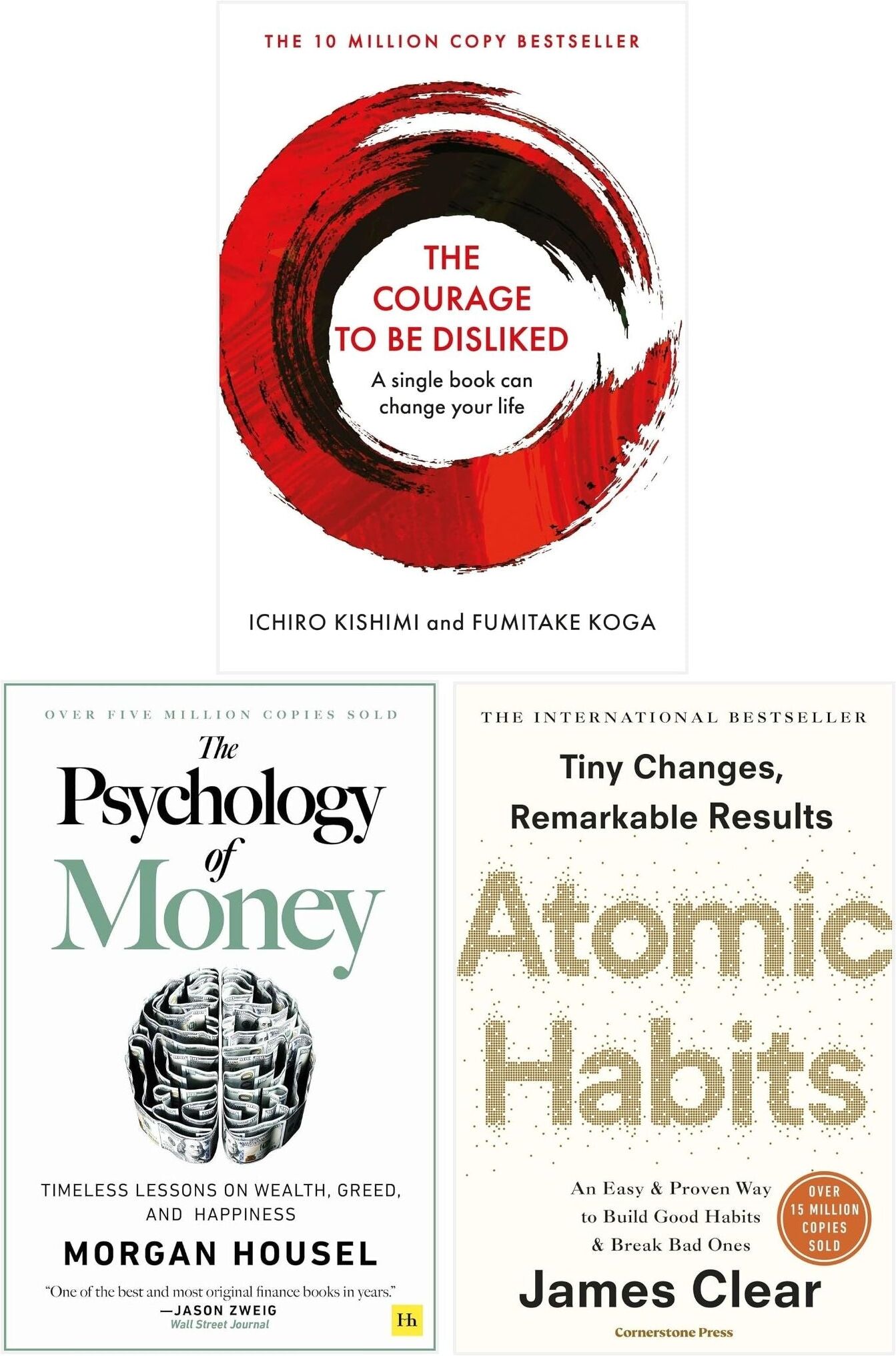
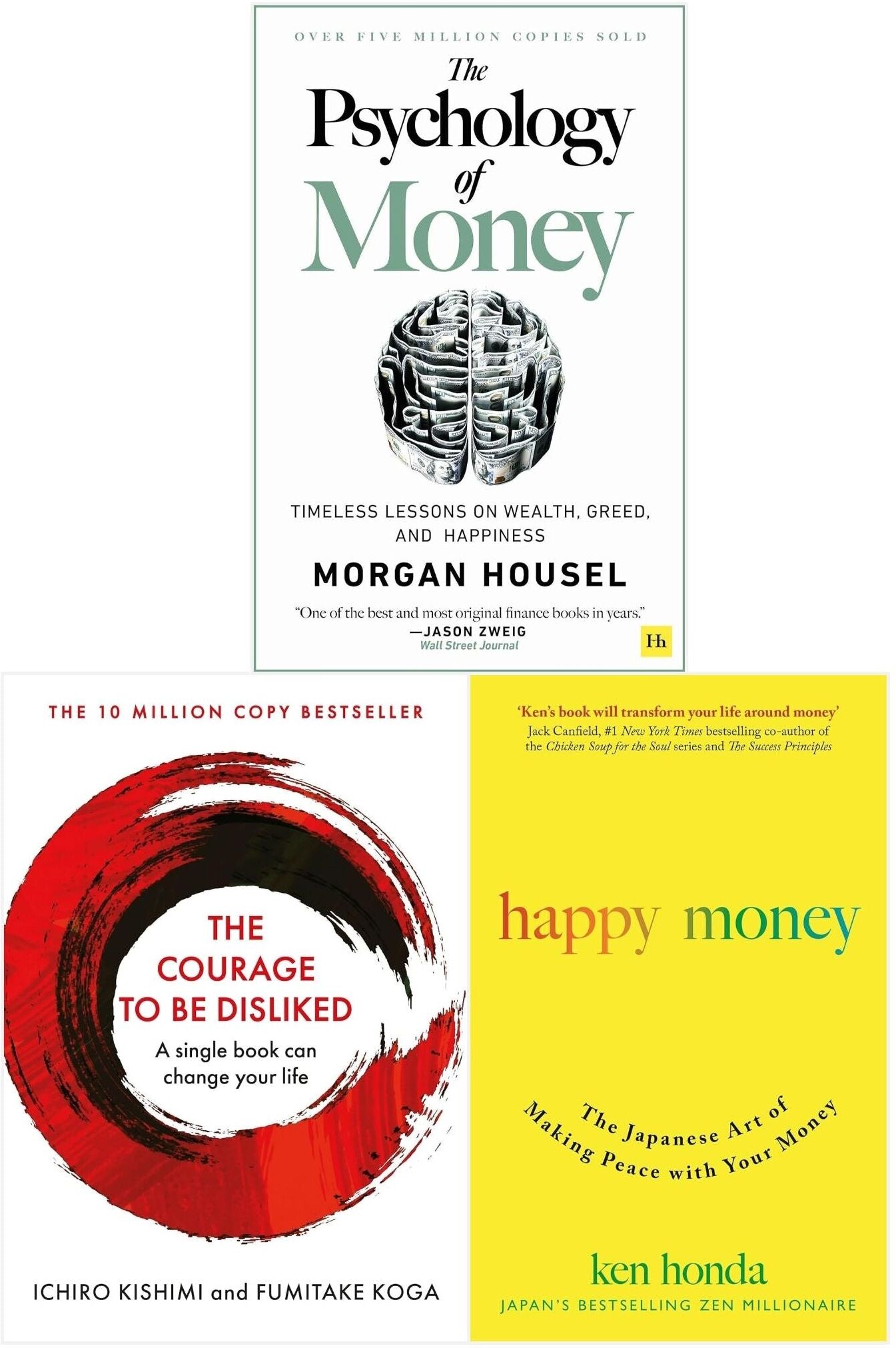
Harriman House The Psychology of Money, Atomic Habits & The Courage to Be Disliked – 3 Book Collection Set Bestselling Self-Development, Personal Finance, Self-HelUpgrade your mindset, habits, and financial thinking with this powerful 3-book collection set, featuring three of the most influential modern self-development titles. This essential bundle includes: The Psychology of Money by Morgan Housel – Discover how emotions and behaviour shape financial decisions and long-term wealth. Atomic Habits by James Clear – Learn how small habits can create powerful, lasting change. The Courage to Be Disliked by Ichiro Kishimi & Fumitake Koga** – Explore a transformative approach to happiness, freedom, and self-acceptance based on Adlerian psychology. Together, these books offer a complete guide to financial wisdom, personal growth, emotional resilience, and habit-building, making this set ideal for anyone looking to improve their life and mindset. Why Readers Love This Collection: Includes 3 bestselling modern self-development books Covers money, habits, mindset, and personal freedom Practical, easy-to-apply life lessons Perfect for beginners and experienced readers alike Ideal gift for motivation and self-improvement A must-have for anyone on a journey of personal growth, this collection delivers powerful insights for building a better, more successful life.22,99 £*Shipping: 2,99 £Secure redirect to the provider
-
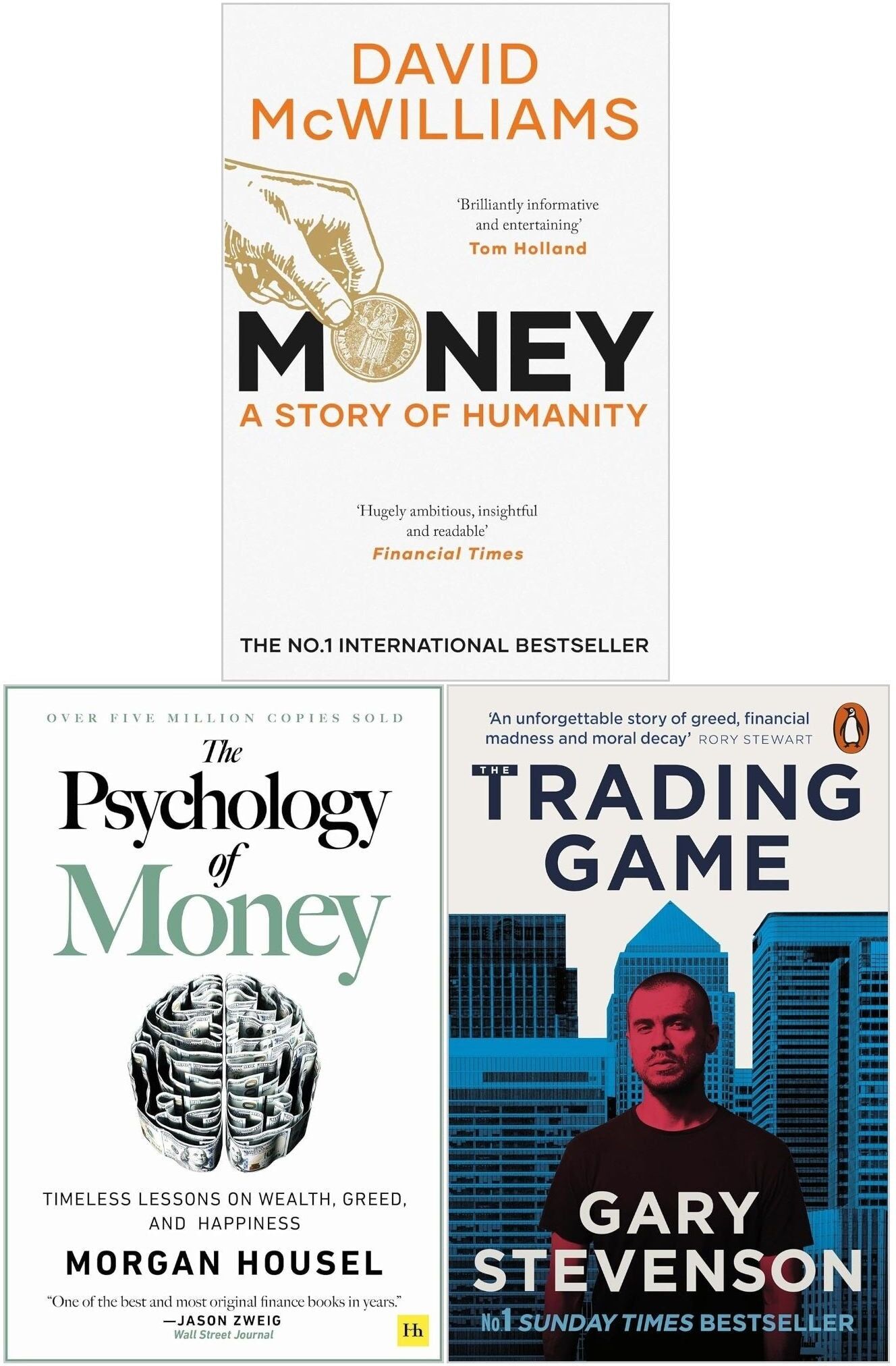
Harriman House Psychology of Money, The Trading Game and Money: A Story of Humanity 3 Books Collection SetPsychology of Money by Morgan Housel Doing well with money isn't necessarily about what you know. It's about how you behave. And behavior is hard to teach, even to really smart people. Money – investing, personal finance, and business decisions – is typically taught as a math-based field, where data and formulas tell us exactly what to do. But in the real world people don't make financial decisions on a spreadsheet. They make them at the dinner table, or in a meeting room, where personal history, your own unique view of the world, ego, pride, marketing, and odd incentives are scrambled together. The Trading Game by Gary Stevenson Ever since he was a kid, kicking broken footballs on the streets of East London in the shadow of Canary Wharf's skyscrapers, Gary wanted something better. Something a whole lot bigger. Then he won a competition run by a bank: 'The Trading Game'. The prize: a golden ticket to a new life, as the youngest trader in the whole city. A place where you could make more money than you'd ever imagined. Where your colleagues are dysfunctional maths geniuses, overfed public schoolboys and borderline psychopaths, yet they start to feel like family. Where soon you're the bank's most profitable trader, dealing in nearly a trillion dollars. A day. Where you dream of numbers in your sleep - and then stop sleeping at all. Money: A Story of Humanity by David McWilliams MONEY. The object of our desires. The engine of our genius. Humanity’s greatest invention. From clay tablets in Mesopotamia to today’s cryptocurrency, global economist David McWilliams takes us on an epic journey of innovation, disruption and transformation that is an astonishing new history of our species. The question is, over 5,000 years, have we changed money – or has money changed us?22,99 £*Shipping: 2,99 £Secure redirect to the provider
-
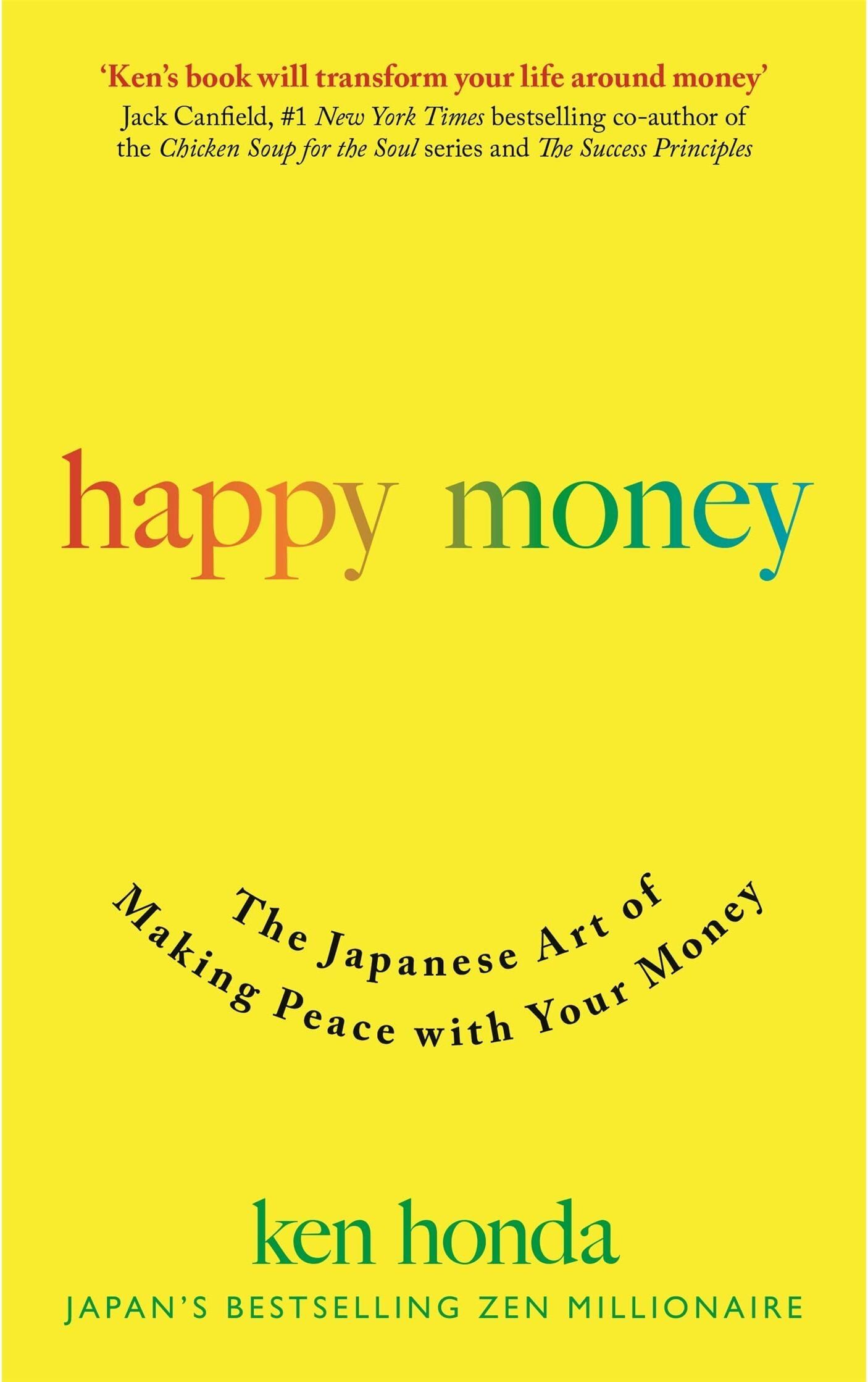
John Murray Happy Money: The Japanese Art of Making Peace with Your MoneyLook around you - what do you see? You may discover to your surprise that the people who are most at peace with money are the ones who walk nimbly between having too little and having too much. They have found a balance between indulgence and austerity; between success and happiness; between motivation and inspiration; and between any number of other poles we tend to think of as either/or choices, but which in reality are simply posts on either side of a doorway through which we must pass. For many of us the subject of money is unavoidably stressful. Managing our personal finances is complicated, time consuming and often, particularly in the slow countdown to pay day, dispiriting. The good news is that in Japan - where a Zen approach to life is more widely practiced - a pathway to a better relationship with money is being carved, by Ken Honda. This beautifully written book will reinvent the way you see your personal finances. You will come to understand that money flows like water and arrives like a guest. You'll rethink your own attitudes and examine the way they were shaped by beliefs about money you were taught as a child. When we heal the fear and anxiety we have about money, we successfully achieve prosperity and peace. Take the zen path to financial security and happiness.5,95 £*Shipping: 2,99 £Secure redirect to the provider
-
What is the contract for private lending of money?
A contract for private lending of money is a legal agreement between a lender and a borrower that outlines the terms and conditions of a loan. This contract typically includes details such as the loan amount, interest rate, repayment schedule, and any collateral or guarantees required. It also specifies the rights and responsibilities of both parties, as well as any penalties for defaulting on the loan. This contract is essential for protecting both the lender and the borrower and ensuring that the loan agreement is legally binding. **
-
How does lending money through PayPal work?
When you lend money through PayPal, you can use the platform's "Send Money" feature to transfer funds to another user. You can specify the amount you want to lend and the recipient's email address or phone number. The recipient will receive the money in their PayPal account, and they can then transfer it to their bank account or use it for online purchases. PayPal may charge a fee for the transaction, depending on the payment method used and the recipient's location. **
-
What is your stance on lending money?
I believe that lending money can be a helpful tool when used responsibly and with clear terms agreed upon by both parties. It can provide individuals with the financial support they need to achieve their goals or overcome temporary challenges. However, it is important to approach lending with caution and ensure that both the lender and borrower are aware of the risks involved. Communication, trust, and a clear repayment plan are key factors in successful lending relationships. **
-
What exactly is an instant loan or online loan?
An instant loan or online loan is a type of loan that allows individuals to apply for and receive funds quickly through an online platform. These loans typically have a simple application process that can be completed online, and the approval and disbursement of funds can happen within a short period of time, sometimes within minutes. Instant loans are often used for emergency expenses or unexpected financial needs, and they may have higher interest rates or fees compared to traditional bank loans. **
Similar search terms for Of
-
The Psychology Of Money, The Art of Spending Money & Same as Ever by Morgan Housel 3 Books Collection Set - Non Fiction - Paperback Pan MacmillanTitles in this set: 1. Same as Ever 2. The Psychology of Money 3. The Art of Spending Money Description: Same as Ever When planning for the future we often ask, “What will the economy be doing this time next year?” Or, “What will be different ten years from now?” But forecasting is hard. The important events that will shape the future are inherently unpredictable. Instead, we should be asking a different question: What will be the same ten years from now? What will be the same one hundred years from now? Knowledge of the things that never change is more useful, and more important, than an uncertain prediction of an unknowable future. In Same As Ever, bestselling author Morgan Housel shares 24 short stories about the ways that life, behaviour, and business will always be the same. Armed with this knowledge of the unchanging, you will have a powerful new ability to think about risk, opportunity, and how to navigate the uncertainty of the future. The Psychology of Money Doing well with money isn't necessarily about what you know. It's about how you behave. And behavior is hard to teach, even to really smart people. Money investing, personal finance, and business decisions is typically taught as a math-based field, where data and formulas tell us exactly what to do. But in the real world people don't make financial decisions on a spreadsheet. They make them at the dinner table, or in a meeting room, where personal history, your own unique view of the world, ego, pride, marketing, and odd incentives are scrambled together. In The Psychology of Money, award-winning author Morgan Housel shares 19 short stories exploring the strange ways people think about money and teaches you how to make better sense of one of life's most important topics. The Art of Spending Money Can money buy happiness? Yes. Can spending it make you happier? Absolutely. Yet, many of us struggle to unlock its full potential – either by spending on things that don't bring as much joy as they should, or by avoiding investments that would truly enhance our mental well-being. In The Art of Spending Money, award-winning and global bestselling author Morgan Housel offers a refreshingly practical approach to managing wealth while finding deeper meaning and contentment. Instead of cookie-cutter financial advice, Housel provides you with psychological tools to navigate your personal relationship with money and optimise for happiness. Discover why people often mistake envy for admiration, how to align your expectations with your income, and ways to invest in future happiness while avoiding regret. Learn about the dangers of social debt and embrace the radical idea that the fastest way to build wealth is by going slow. The Art of Spending Money delves into the complexities that surround money – envy, social aspirations, identity, and insecurity – crucial aspects often missed in traditional financial books. Armed with new insights into money and wealth, you’ll learn to sidestep common spending...26,99 £*Shipping: 2,99 £Secure redirect to the provider
-
Pan Macmillan UK Ltd The Psychology Of Money, The Art of Spending Money and Same as Ever by Morgan Housel 3 Books Collection SetThe Psychology Of Money, The Art of Spending Money and Same as Ever by Morgan Housel 3 Books Collection Set Titles in this set: 1. Same as Ever 2. The Psychology of Money 3. The Art of Spending Money Description: Same as Ever When planning for the future we often ask, “What will the economy be doing this time next year?” Or, “What will be different ten years from now?” But forecasting is hard. The important events that will shape the future are inherently unpredictable. Instead, we should be asking a different question: What will be the same ten years from now? What will be the same one hundred years from now? Knowledge of the things that never change is more useful, and more important, than an uncertain prediction of an unknowable future. In Same As Ever, bestselling author Morgan Housel shares 24 short stories about the ways that life, behaviour, and business will always be the same. Armed with this knowledge of the unchanging, you will have a powerful new ability to think about risk, opportunity, and how to navigate the uncertainty of the future. The Psychology of Money Doing well with money isn't necessarily about what you know. It's about how you behave. And behavior is hard to teach, even to really smart people. Money investing, personal finance, and business decisions is typically taught as a math-based field, where data and formulas tell us exactly what to do. But in the real world people don't make financial decisions on a spreadsheet. They make them at the dinner table, or in a meeting room, where personal history, your own unique view of the world, ego, pride, marketing, and odd incentives are scrambled together. In The Psychology of Money, award-winning author Morgan Housel shares 19 short stories exploring the strange ways people think about money and teaches you how to make better sense of one of life's most important topics. The Art of Spending Money Can money buy happiness? Yes. Can spending it make you happier? Absolutely. Yet, many of us struggle to unlock its full potential – either by spending on things that don't bring as much joy as they should, or by avoiding investments that would truly enhance our mental well-being. In The Art of Spending Money, award-winning and global bestselling author Morgan Housel offers a refreshingly practical approach to managing wealth while finding deeper meaning and contentment. Instead of cookie-cutter financial advice, Housel provides you with psychological tools to navigate your personal relationship with money and optimise for happiness. Discover why people often mistake envy for admiration, how to align your expectations with your income, and ways to invest in future happiness while avoiding regret. Learn about the dangers of social debt and embrace the radical idea that the fastest way to build wealth is by going slow. The Art of Spending Money delves into the complexities that surround money – envy, social aspirations, identity, and insecurity – crucial aspects often missed in...24,99 £*Shipping: 2,99 £Secure redirect to the provider
-
Perfect Picks Market Toy Cash Register For Kids, Checkout Scanner, Play Money Food Set, , Credit Card Machine, Fruit Card Reader Toy Cash Register For Kids, Checkout Scanner, Play Money Food Set, , Credit Card Machine, Fruit Card ReaderEngage Your Child with Playful Learning The 33PCS Toy Cash Register for Kids with Checkout Scanner is a perfect way to help children develop essential skills while having fun! Designed for little ones, this interactive toy includes a realistic...59,97 $*Shipping: 0,00 $Secure redirect to the provider
-
John Murray Happy Money, The Courage to be Disliked and Psychology of Money 3 Books Collection SetHappy Money Look around you - what do you see? You may discover to your surprise that the people who are most at peace with money are the ones who walk nimbly between having too little and having too much. They have found a balance between indulgence and austerity; between success and happiness; between motivation and inspiration; and between any number of other poles we tend to think of as either/or choices, but which in reality are simply posts on either side of a doorway through which we must pass. The Courage to be Disliked Stop people-pleasing and achieve true happiness. Millions have already benefited from the wisdom dispensed in The Courage to Be Disliked, its simple yet profound advice showing us how to harness our inner power to become the person we would like to be. A philosopher and a student have a discussion. Their conversation reveals a profoundly liberating way of thinking: by developing the courage to change, set healthy boundaries and resist the impulse to please others, it is possible to find genuine and lasting happiness. The Psychology of Money Doing well with money isn't necessarily about what you know. It's about how you behave. And behavior is hard to teach, even to really smart people. Money investing, personal finance, and business decisions is typically taught as a math-based field, where data and formulas tell us exactly what to do. But in the real world people don't make financial decisions on a spreadsheet. They make them at the dinner table, or in a meeting room, where personal history, your own unique view of the world, ego, pride, marketing, and odd incentives are scrambled together. In The Psychology of Money, award-winning author Morgan Housel shares 19 short stories exploring the strange ways people think about money and teaches you how to make better sense of one of life's most important topics.19,99 £*Shipping: 2,99 £Secure redirect to the provider
-
Should I finance my entire studies with a student loan?
It is not advisable to finance your entire studies with a student loan. While student loans can be helpful in covering some of the costs of education, relying solely on loans can lead to a significant amount of debt that may be difficult to repay after graduation. It is important to explore other options such as scholarships, grants, part-time work, or saving money beforehand to reduce the amount you need to borrow. It is recommended to borrow only what is necessary and to have a clear plan for how you will manage the debt after completing your studies. **
-
What excuses are there for not lending money to friends?
There are several valid excuses for not lending money to friends. One reason is that it can strain the friendship and create tension or resentment if the money is not repaid. Additionally, lending money to friends can create an awkward power dynamic and may lead to expectations of future financial assistance. Furthermore, there is always the risk that the friend may not be able to repay the loan, which can result in financial loss and damage the relationship. **
-
What is an online loan application?
An online loan application is a digital form that allows individuals to apply for a loan through a lender's website or online platform. It typically requires the applicant to provide personal and financial information, such as income, employment details, and credit history. The online application process is convenient and efficient, as it can be completed from the comfort of one's home or office, and often results in a quicker decision on the loan approval. **
-
How can I get a small loan without a credit check and proof of income?
One option to get a small loan without a credit check and proof of income is to consider a payday loan or a title loan. These types of loans typically do not require a credit check or proof of income, but they often come with high interest rates and fees. Another option is to borrow from friends or family members who may be willing to lend you money without these requirements. However, it's important to consider the potential impact on your relationships and to have a clear repayment plan in place. **
* All prices are inclusive of VAT and, if applicable, plus shipping costs. The offer information is based on the details provided by the respective shop and is updated through automated processes. Real-time updates do not occur, so deviations can occur in individual cases. ** Note: Parts of this content were created by AI.